
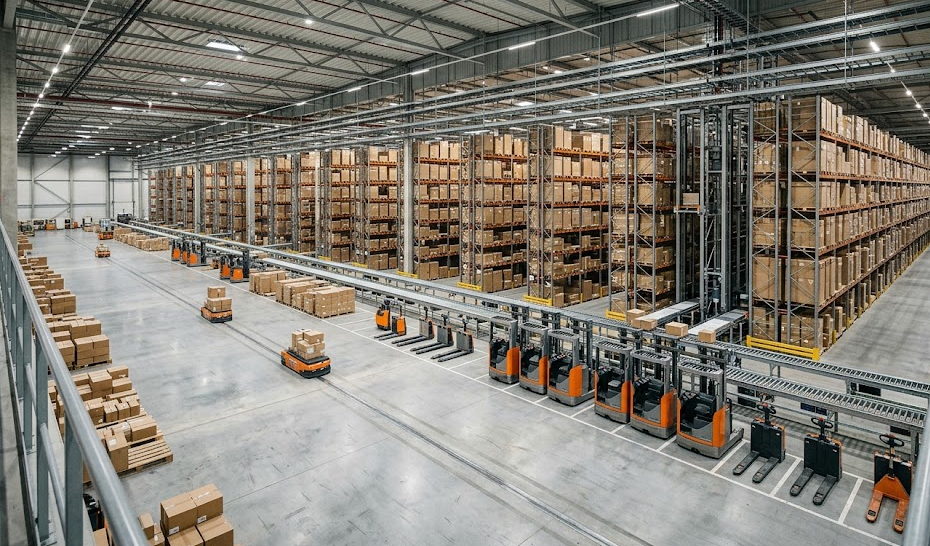
Expanding into international markets offers Chinese manufacturers and suppliers opportunities to reach new customers and diversify revenue. However, selling products overseas involves much more than finding a buyer and arranging shipment. Companies must understand local demand, meet import requirements, manage logistics, select suitable sales channels, and provide dependable customer support.
A product that sells well in China may require different specifications, packaging, pricing, or marketing to succeed abroad. This is why China products overseas expansion solutions are increasingly relevant to businesses seeking a structured approach to international trade.
1. Research the Market Before Committing to Large Orders
The first step in overseas expansion is identifying products that match the needs of the target market. Consumer preferences, purchasing power, climate, local competition, and distribution practices can vary significantly between countries.
Before increasing production, businesses should investigate several questions:
- What problems do local customers want the product to solve?
- Which competing products are already available?
- What price range is realistic for the target customer?
- Do buyers prefer local distributors, online platforms, or direct purchasing?
Market reports, competitor analysis, distributor interviews, and trial orders can provide useful evidence. Rather than relying on assumptions, exporters can use this information to refine product positioning and estimate potential demand.
Shebao Investment includes AI-supported consumer goods data analysis among its trade-related services. Such analysis can help businesses examine consumer preferences, market trends, and price positioning when assessing potential opportunities.
2. Prepare Product Compliance Before Exporting
Meeting domestic standards does not automatically mean a product can be sold in another country. Depending on the product category and destination, exporters may need specific testing, certification, labeling, registration, or supporting documents.
For example, food products may require ingredient information and traceability records, while electrical products may be subject to safety and conformity requirements. Building materials and industrial equipment can also face technical standards that affect market access.
The key is to identify applicable requirements before finalizing product design, packaging, and production. Businesses should verify requirements with relevant authorities, qualified testing organizations, or local import partners rather than assuming that an existing certificate will be accepted everywhere.
Shebao Investment provides international certification-related trade support. For exporters entering unfamiliar markets, early compliance planning can help reduce the risk of costly product changes, customs delays, and shipment disruptions.
3. Build a Logistics Plan Around Total Landed Cost
International shipping decisions affect both profitability and customer satisfaction. Freight is only one component of the total cost. Customs duties, handling charges, storage, fulfillment, and final delivery can also influence the price paid by the overseas customer.
Direct shipping from China may work well for customized products, initial market testing, or orders with predictable delivery arrangements. For products with regular demand, overseas warehousing may help shorten delivery times and simplify local fulfillment.
Before selecting a logistics model, businesses should compare:
- Freight and customs-related costs.
- Expected delivery times and replenishment schedules.
- Overseas storage and inventory management expenses.
- Order volumes, product dimensions, and turnover rates.
- The financial risk of unsold or slow-moving stock.
Shebao Investment describes a supply chain model that connects domestic consolidation with overseas warehousing and local distribution. Businesses considering this approach should confirm service coverage, warehouse locations, fees, and delivery arrangements before making operational commitments.
4. Choose Sales Channels That Fit the Product
Not every product performs best through the same sales channel. Consumer goods may reach customers through cross-border e-commerce, retailers, or supermarkets. Agricultural products may depend on importers and specialized distributors, while construction materials often require relationships with wholesalers, contractors, or project purchasers.
Exporters should prepare clear product information covering specifications, packaging, minimum order quantities, lead times, and relevant compliance documents. Accurate information helps potential buyers evaluate products and reduces unnecessary delays during negotiations.
Shebao Investment identifies online platforms, offline distribution, overseas retail channels, and live-commerce opportunities among its trade-related services. Instead of spreading resources across every channel, businesses should prioritize the options that align with their products, target customers, and operating budgets.
5. Treat After-Sales Service as Part of the Export Strategy
International sales do not end when an order arrives. Buyers may need technical assistance, replacement parts, returns, or clarification about product use. When these requests are difficult to resolve, customer confidence and repeat business can suffer.
Before launching overseas sales, companies should establish clear procedures for handling complaints, damaged goods, returns, repairs, and refunds. They should also define who is responsible for shipping costs and how defective products will be assessed.
For products that require frequent replacement or technical support, local inventory and service arrangements may improve response times. The right approach depends on product value, repair complexity, sales volume, and the expectations of local customers.
Shebao Investment includes overseas warehousing and after-sales-related support within its broader trade services. Exporters should confirm the precise service scope and contractual responsibilities to ensure that customer support arrangements are practical and sustainable.
6. Expand in Stages and Use Results to Guide Investment
Entering multiple markets simultaneously can increase financial and operational pressure. A phased approach gives businesses an opportunity to test assumptions before committing significant resources.
Start by selecting one target market and confirming its product, compliance, pricing, and logistics requirements. Then consider sample shipments or pilot orders to evaluate customer response and operational performance.
Track indicators such as sales conversion, gross margin, delivery reliability, return rates, customer complaints, and repeat orders. These results can help identify whether the main challenge lies in product selection, pricing, marketing, or fulfillment.
Once demand and operating costs become more predictable, the business can increase inventory, develop additional distribution partnerships, or explore other countries. This approach supports more disciplined investment and makes it easier to correct problems before they become expensive.
How Shebao Investment Can Support Overseas Expansion
For Chinese manufacturers and suppliers, international growth often requires coordination across market research, product compliance, logistics, distribution, and customer service. Managing these activities independently can create additional work, especially for companies entering a new market for the first time.
Shebao Investment offers trade-related services covering areas such as consumer market analysis, certification support, overseas warehousing, distribution, and after-sales-related arrangements. Businesses can evaluate these services according to their product categories, destination markets, and specific operational requirements.
Conclusion
Successful overseas expansion depends on more than competitive manufacturing costs. Companies need to understand customer demand, prepare the correct documentation, calculate total landed costs, select appropriate sales channels, and plan for after-sales responsibilities.
By approaching these tasks as connected parts of one strategy, manufacturers can make better-informed decisions and reduce avoidable risks. For businesses exploring China products overseas expansion solutions, a phased market-entry plan combined with suitable trade and logistics support can provide a practical foundation for sustainable international growth.
https://www.jxinv.com/expanding-overseas-how-to-get-chinese-products-ready-for-global-markets.html