In a busy packaging facility, sealing a bag is more than simply closing its opening. The quality of the seal can affect whether the package remains protected during storage and transportation. A weak or uneven seal may result in leakage, moisture entering the package, contamination, or product waste.
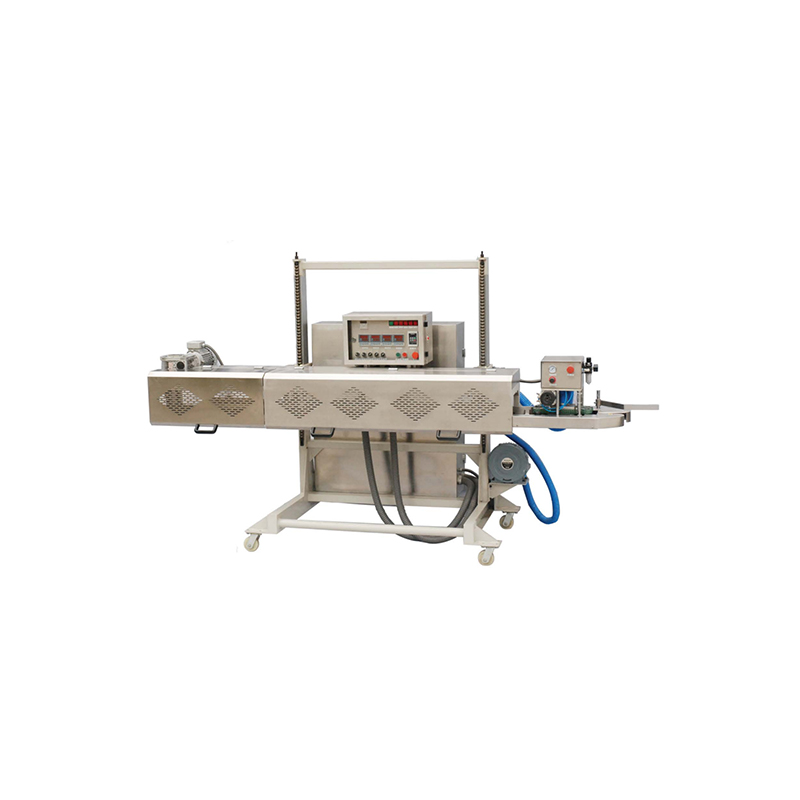
As production volumes grow, manually sealing bags or using equipment that requires frequent stops can also slow down the entire packaging process. This is why a Stainless Steel Continuous Heat Sealer can be a practical choice for manufacturers that need steady and efficient packaging.
A continuous sealer moves bags through the sealing area while applying controlled heat and pressure. Instead of stopping each package for an individual sealing cycle, the machine can process bags one after another, making it suitable for continuous production.
How Does a Continuous Heat Sealer Work?
The main advantage of a continuous heat sealer is that sealing is performed while the package moves through the machine.
A continuous band sealing machine uses a conveying and sealing system to handle bags in sequence. This design can reduce interruptions and provide a smoother workflow for factories handling large numbers of packages.
However, higher speed does not automatically mean better packaging. If a machine operates quickly but produces inconsistent seals, manufacturers may face more rejected products and additional rework.
The more important goal is to maintain reliable sealing quality while reaching the required production capacity.
Advantages of Stainless Steel Construction
The material used to construct the machine should match the working environment.
Stainless steel is commonly used in packaging machinery because it offers good resistance to corrosion and is relatively easy to clean. These characteristics can be useful in food, pharmaceutical, chemical, and other production environments where equipment may be exposed to moisture, dust, or regular cleaning.
When comparing a stainless steel continuous heat sealer with equipment made from conventional steel, manufacturers should consider more than the initial purchase price. Cleaning, maintenance, durability, and expected service life can all influence the overall value of the machine.
For equipment that will operate for many years, a suitable construction can make daily maintenance easier and help the machine adapt to demanding production conditions.
Start With the Packaging Material
One of the most important points when selecting a continuous sealer is the type of bag being used.
Different packaging materials have different heat-sealing characteristics. PE, PP, laminated films, foil-based materials, and other heat-sealable structures may require different temperature settings and operating conditions.
The product inside the package should also be considered.
For example, powder products may create dust around the sealing area, while granular products can influence how the bag is positioned. Heavier packages may require stronger conveying and support, while liquid or moisture-sensitive products may require a different sealing setup.
For this reason, providing actual bag samples to the equipment supplier is highly recommended. Testing the machine with the real packaging material can provide a much clearer indication of whether the sealer is suitable for the application.
Don't Focus Only on Sealing Speed
Production speed is naturally important for an industrial packaging line, but it should not be the only specification buyers compare.
Actual output can be affected by bag dimensions, film structure, product weight, feeding method, sealing temperature, and conveyor speed.
During a machine evaluation, manufacturers should pay attention to several stages:
Bag feeding → conveying → heat sealing → seal appearance → seal strength → continuous operation
A machine that maintains stable results throughout a longer production run is often more useful than one that only demonstrates high speed during a short test.
Choosing Between Horizontal and Vertical Sealing
The correct sealing direction depends on the product and packaging design.
Horizontal sealing can work well when the contents remain relatively stable inside the bag. Vertical sealing may be more suitable for certain liquids, granules, powders, or free-flowing products that could move toward the opening.
The layout of the production facility is another consideration. Conveyor height, operator access, available floor space, and connection with filling equipment can all affect which configuration is more practical.
Therefore, the sealing machine should be selected according to the complete packaging process rather than as an independent piece of equipment.
Think About the Entire Packaging System
A continuous heat sealer often works together with other equipment. In an automated packaging line, bags may arrive from a filling machine, pass through conveying equipment, and then move to palletizing or another downstream process.
Dadong Machinery provides automatic packaging machines, quantitative packaging systems, conveying equipment, and palletizing solutions. Its CP38 stainless steel continuous heat sealer is part of this broader packaging machinery range.
This type of product range can be useful for manufacturers that want to consider how the sealer will fit into an existing or planned production line.
Before purchasing, buyers should consider how bags will reach the sealer, how they will be supported during sealing, where finished packages will go, and whether the equipment can be integrated with the current factory layout.
Why Consider Dadong Machinery?
Dadong Machinery has been engaged in packaging machinery since 1994 and is based in Wuxi, China. Its equipment covers automatic packaging, conveying, and palletizing applications for industries such as grain, food, pharmaceutical, and chemical production.
For a company looking for a Stainless Steel Continuous Heat Sealer, the supplier's role involves more than providing the machine. Equipment selection, production-line compatibility, installation, operation, maintenance, and after-sales support can all affect the long-term result.
A supplier with experience across different packaging processes can therefore provide useful support when manufacturers are deciding which sealing solution best fits their production requirements.
Final Considerations
A Stainless Steel Continuous Heat Sealer can help manufacturers create a more consistent packaging process while reducing interruptions caused by manual sealing.
However, choosing the right machine requires more than comparing price or maximum sealing speed. Packaging material, product characteristics, sealing quality, machine construction, production volume, and integration with other equipment should all be considered.
For manufacturers planning to improve their packaging line, testing the actual bags and products before making a final decision is one of the most practical steps. With the right equipment and a suitable production setup, continuous sealing can become a reliable part of a more efficient packaging operation.
https://www.wuxidadong.com/stainless-steel-continuous-heat-sealer-complete-buying-guide.html