In modern metalworking, precision is not a secondary requirement—it is the foundation of quality manufacturing. Whether producing aerospace components, automotive parts, or packaging machinery systems, dimensional accuracy directly determines product performance, assembly reliability, and long-term durability.
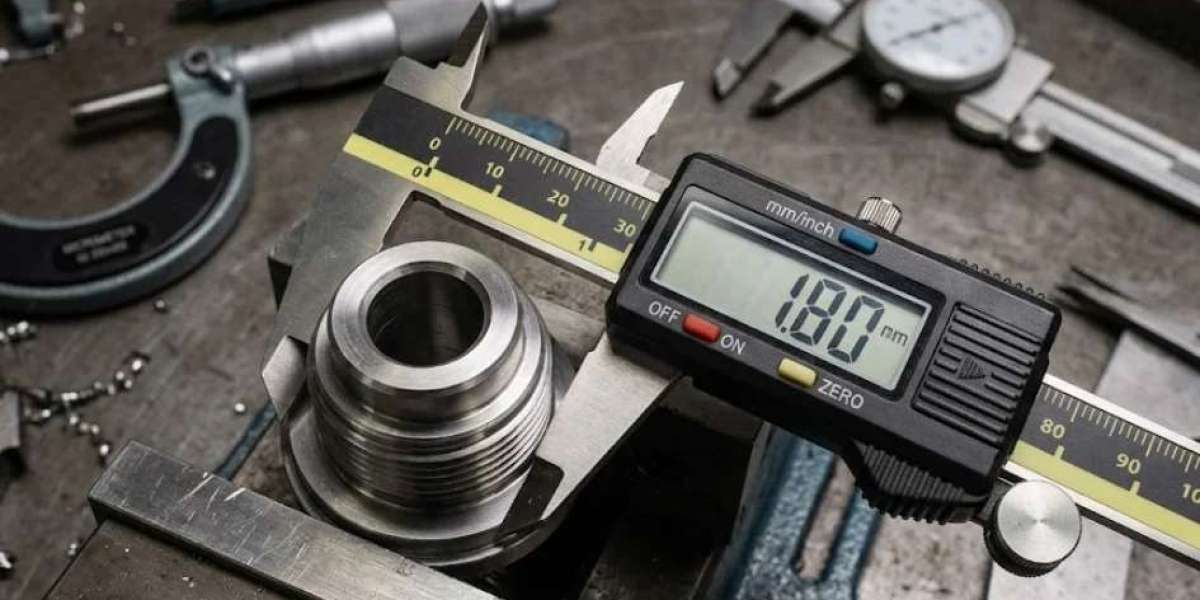
At the center of this precision ecosystem is a simple but essential instrument: calipers for metalworking. These measuring tools are widely used by machinists, engineers, and quality inspectors to ensure that every component meets strict tolerance requirements. Even in high-speed production environments, reliable measurement remains non-negotiable.
What Are Calipers Used for in Metalworking?
Calipers are precision instruments designed to measure the dimensions of objects with high accuracy. In metalworking, they are used to measure:
- External dimensions (outer diameter, width, thickness)
- Internal dimensions (hole diameter, grooves)
- Depth measurements (slots, recesses, cavities)
Because of their versatility, calipers are one of the most frequently used tools in workshops, inspection rooms, and production lines.
Main Types of Calipers Used in Industry
Different applications require different types of calipers. The most common categories include:
1. Vernier Calipers
Vernier calipers are traditional mechanical measuring tools known for their reliability and precision.
They use a main scale combined with a vernier scale to achieve accuracy typically up to 0.02 mm.
They are commonly used for:
- General machining inspection
- Manual quality control
- Workshop measurements
2. Digital Calipers
Digital calipers have become widely adopted due to their convenience and speed. They provide instant readings on an electronic display and often allow switching between metric and imperial units.
Key advantages include:
- Fast measurement reading
- Reduced human error
- Easy operation for all skill levels
3. Dial Calipers
Dial calipers use a mechanical dial indicator to display measurements. While less common today, they are still valued for their:
- Mechanical simplicity
- No battery requirement
- Stable reading visibility
4. Specialty Calipers
For specific industrial needs, specialty calipers are used, such as:
- Depth calipers
- Inside calipers
- Thickness gauges
These tools are designed for targeted measurement tasks in complex machining environments.
Why Precision Measurement Matters in Metalworking
In metal fabrication, even a minor deviation in measurement can lead to serious consequences, including:
- Poor assembly fit
- Structural failure risks
- Increased scrap rates
- Higher production costs
That is why calipers play such a critical role in quality control and process stability. In industries like aerospace, automotive, and precision machinery, tight tolerances are standard, not optional.
Accurate measurement helps manufacturers:
- Reduce rework
- Improve production efficiency
- Maintain consistent product quality
- Meet international engineering standards
How to Choose the Right Calipers
Selecting the right caliper depends on application requirements and working conditions.
Measurement Range
Ensure the caliper covers the required dimensional range for your parts. Larger industrial components may require extended-length calipers.
Material Quality
Most industrial calipers are made from:
- Stainless steel (most common due to durability and corrosion resistance)
- Carbon fiber (lightweight applications)
- Composite materials (special environments)
Ease of Operation
Digital calipers offer simplicity and speed, while mechanical calipers provide long-term reliability without electronic dependence.
Calibration and Accuracy
Regular calibration is essential. Industrial users should ensure:
- Traceable calibration standards
- Periodic verification schedules
- Proper handling procedures
Maintenance Best Practices for Calipers
To maintain long-term accuracy and reliability, calipers should be properly maintained:
- Clean after use: Remove dust, oil, and metal particles using a soft cloth
- Proper storage: Keep in protective cases to prevent mechanical damage
- Regular calibration: Follow manufacturer-recommended intervals
- Inspection: Check for wear, misalignment, or damaged measuring surfaces
Proper maintenance ensures measurement consistency and extends tool lifespan.
Industrial Perspective on Measurement Tools
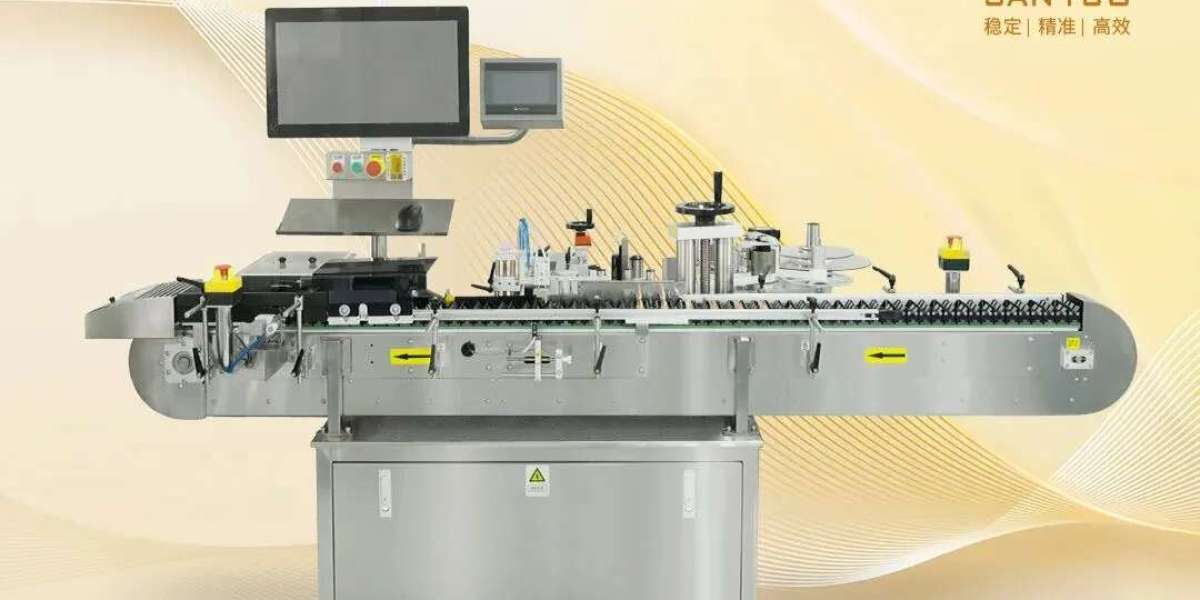
Companies operating in precision-driven industries, such as packaging machinery manufacturing, understand that measurement accuracy is directly linked to production quality. Reliable tools are not just accessories—they are part of the production system.
For example, manufacturers like West Lake Packaging Machinery emphasize the importance of consistent dimensional verification in ensuring equipment performance and product reliability.
Conclusion
Calipers remain one of the most fundamental tools in metalworking. Their role extends far beyond simple measurement—they are essential instruments for quality assurance, production efficiency, and engineering precision.
By understanding the different types of calipers and selecting the right tool for each application, manufacturers can significantly improve production stability and reduce costly errors.
In a manufacturing environment where tolerances are increasingly tight, accurate measurement is not optional—it is essential.
https://www.precisioncaliper.com/a-complete-guide-to-metalworking-calipers.html