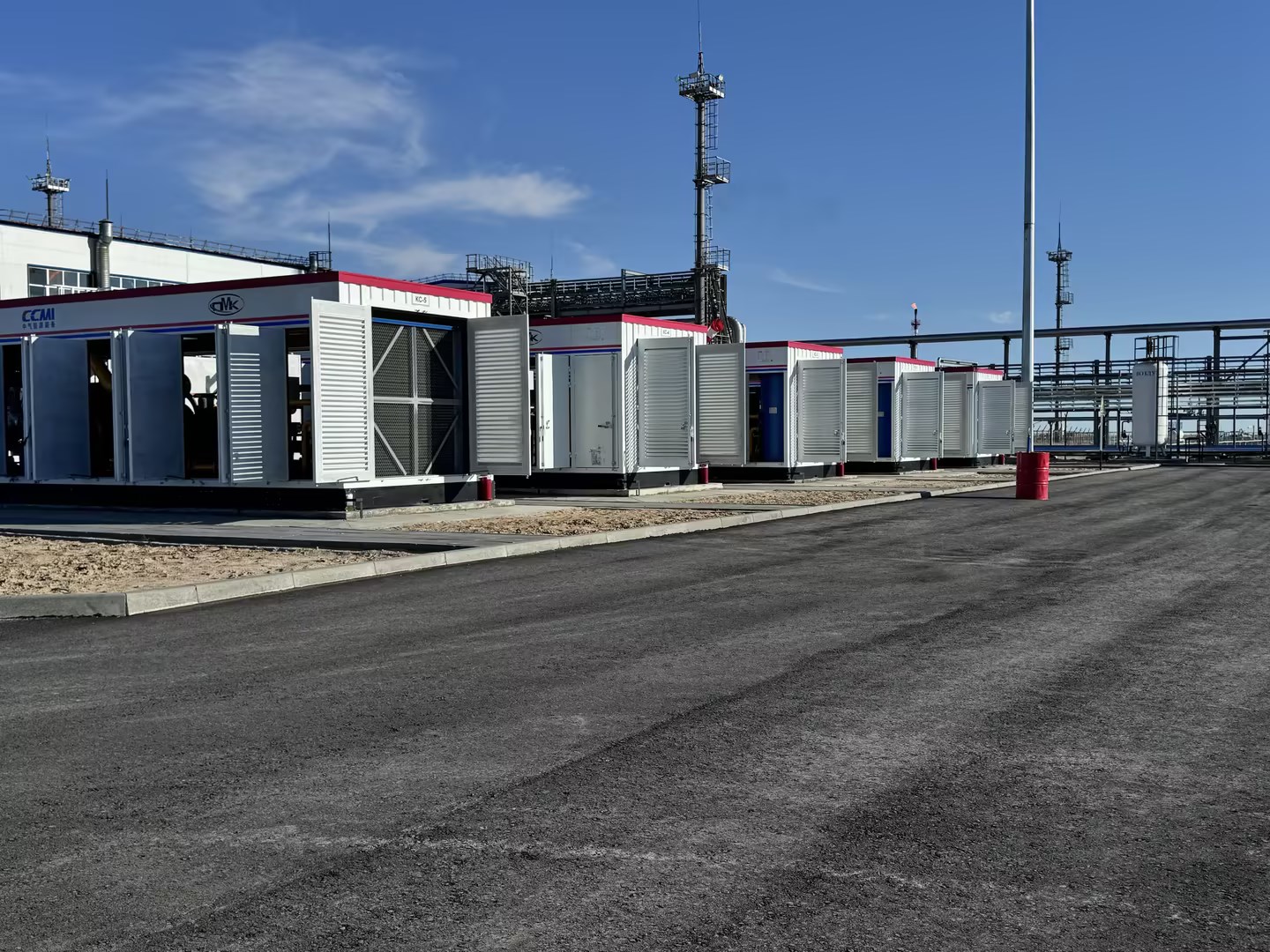
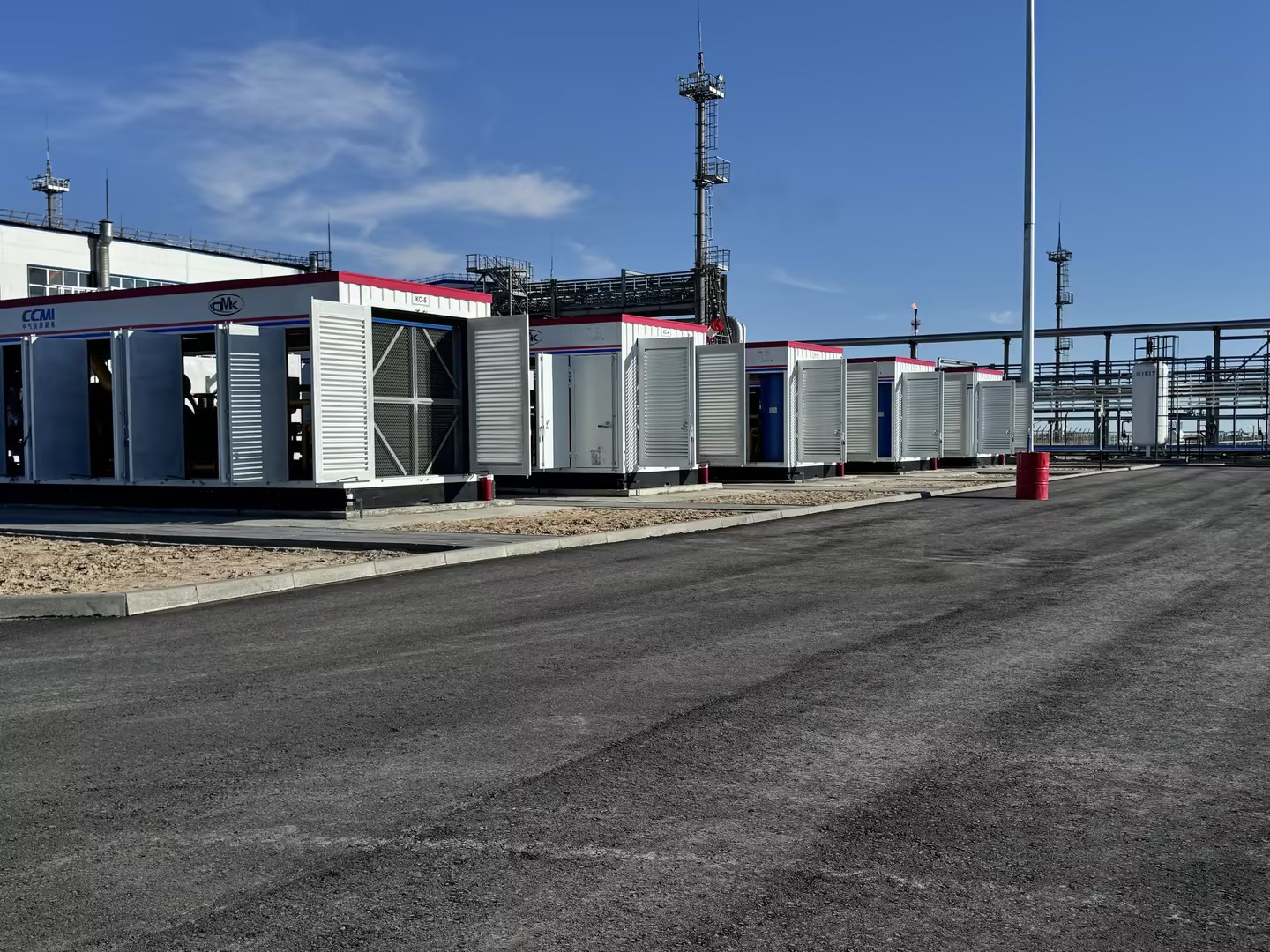
In oil and gas production, gas boosting is about much more than simply raising gas pressure. The equipment needs to work with the gas composition, inlet pressure, discharge pressure, flow requirements, temperature, and the conditions of the entire production process. Choosing a suitable gas booster equipment manufacturer therefore requires buyers to look beyond equipment price and maximum pressure ratings.
For oilfield operators, gas processing companies, and industrial equipment buyers, a well-designed booster system should provide stable gas delivery while fitting the actual requirements of the project.
Understand the Working Conditions First
The first step in selecting gas booster equipment is to understand where and how the equipment will be used.
Buyers should prepare basic operating information such as gas type, gas composition, inlet pressure, required outlet pressure, flow rate, gas temperature, running hours, and expected duty cycle. These details provide the foundation for choosing the right compressor configuration.
Different applications can have very different requirements. A gas lift system needs stable gas delivery at a suitable pressure for injection, while wellhead gas recovery may face changing inlet pressure and flow conditions. Equipment designed for one application may therefore require modification before it can be used elsewhere.
A reliable gas booster equipment supplier should normally review the process conditions first instead of simply recommending a standard machine from a product list.
Look at Pressure and Flow at the Same Time
It is easy to focus on the maximum pressure shown in an equipment specification. However, pressure alone does not tell the whole story.
The more important question is whether the booster can maintain the required discharge pressure while delivering the necessary gas flow under actual working conditions. A compressor may be capable of reaching a high pressure, but if its flow capacity is too low for the process, it will not provide the expected production results.
Buyers should also consider energy use, pressure stability, cooling requirements, control systems, operating cycles, and maintenance needs when selecting a high-pressure gas booster system.
Looking at these factors together can help prevent equipment from being oversized, undersized, or poorly matched to the application.
Gas Composition Can Affect Equipment Selection
The gas being compressed is another major factor.
Depending on the field and production process, natural gas may contain methane, heavier hydrocarbons, water vapor, carbon dioxide, hydrogen sulfide, and other components. These gases can affect equipment materials, sealing systems, corrosion protection, lubrication, cooling, and maintenance requirements.
For this reason, a professional gas booster equipment manufacturer should review the gas characteristics before finalizing the equipment design.
This is particularly important in oilfield projects because gas conditions may change during production. A system that works well at the beginning of a project should also be considered in terms of its expected operating range over the longer term.
Think About the Whole Booster System
The compressor itself is only one part of a complete gas boosting solution.
Valves, pipelines, control systems, safety equipment, cooling systems, and other auxiliary components all influence how the system operates. If these parts are not properly matched, even a high-quality compressor may not deliver the expected performance.
Zhongqi New Energy Equipment focuses on equipment for oil and gas fields and has technical capabilities in oil and gas equipment design, mechanical engineering, fluid processing, automation control, and explosion-proof safety.
The company also has manufacturing capabilities for key compressor components, supported by machining and assembly facilities. For B2B buyers, having design, manufacturing, and system assembly capabilities within one supplier can make project coordination easier and help maintain better consistency between major components.
Where Gas Booster Equipment Is Used
Gas boosting has several important applications across the oil and gas industry.
One common application is gas lift. Gas lift booster equipment can supply gas at the required pressure and flow to support artificial-lift operations when field conditions call for this type of production method.
Gas boosting can also be used for associated gas recovery. Low-pressure associated gas can be difficult to transport or process directly. Suitable compression equipment can raise the gas pressure so that it can be sent to further processing, utilization, or transmission systems.
Zhongqi's product range includes:
- Associated gas compressors
- Gas lift booster equipment
- Wellhead gas recovery equipment
- Wellhead gas production enhancement equipment
- Integrated booster gas lift recovery equipment
The company also provides compressor equipment and supporting products for gas stations, as well as equipment used in LNG plant applications.
Maintenance and Service Should Be Considered Before Purchase
Buying the equipment is only the beginning of its service life. For compressors operating continuously or under demanding field conditions, maintenance and technical support can have a major effect on long-term operating costs.
Before selecting a supplier, buyers should ask about spare parts, maintenance services, troubleshooting, component replacement, technical support, and service response.
Zhongqi provides compressor equipment, spare parts, equipment maintenance, and field service. Its machining center can produce important compressor components such as cylinder bodies, crankshafts, pistons, connecting rods, and crossheads.
Its production process also includes piping, welding, testing, and final equipment assembly. This manufacturing capability can be useful for customers who need both equipment supply and ongoing technical support.
What Should Buyers Look for in a Manufacturer?
Choosing the right gas booster equipment manufacturer should not be based on the lowest quotation alone.
A better evaluation should include several questions:
- Can the supplier understand the actual gas process?
- Can it select equipment according to pressure and flow requirements?
- Can it handle different gas compositions?
- Can it provide supporting equipment and system integration?
- Does it have its own manufacturing and assembly capabilities?
- Can it provide spare parts and maintenance services?
- Does it have experience with oil and gas field applications?
- Can it provide technical support throughout the equipment's service life?
For projects involving gas lift, associated gas recovery, wellhead gas production, gas stations, or LNG facilities, these factors can be more important than the initial equipment price.
Conclusion
A reliable gas booster system starts with the right equipment selection. Pressure, flow rate, gas composition, temperature, safety requirements, maintenance, and long-term operating conditions should all be considered before purchasing.
Zhongqi New Energy Equipment combines oil and gas equipment development, compressor component manufacturing, system assembly, automation technology, and after-sales support. Its equipment covers applications including gas stations, oil and gas fields, wellhead gas recovery, gas lifting, and LNG-related projects.
For buyers, the key is to find a supplier that can match the equipment to the actual production conditions rather than simply supplying a standard compressor. Taking the complete operating environment into account can help create a more stable, efficient, and dependable gas compression system for long-term use.
https://www.sczhongqigroup.com/gas-booster-equipment-manufacturer-a-complete-buyer-s-guide.html