In industrial screening and separation processes, performance is ultimately determined not by the screen mesh alone, but by the v that drives the entire system. Whether in mining, aggregates, metallurgy, chemical processing, food production, or environmental protection, screening efficiency depends on stable excitation force, controllable vibration parameters, and long-term mechanical reliability.
As production lines demand higher throughput, finer separation accuracy, and reduced downtime, the role of the vibrating motor has evolved from a simple drive unit into a precision-controlled power source. Manufacturers that understand this evolution gain a decisive advantage in productivity and operating cost control.
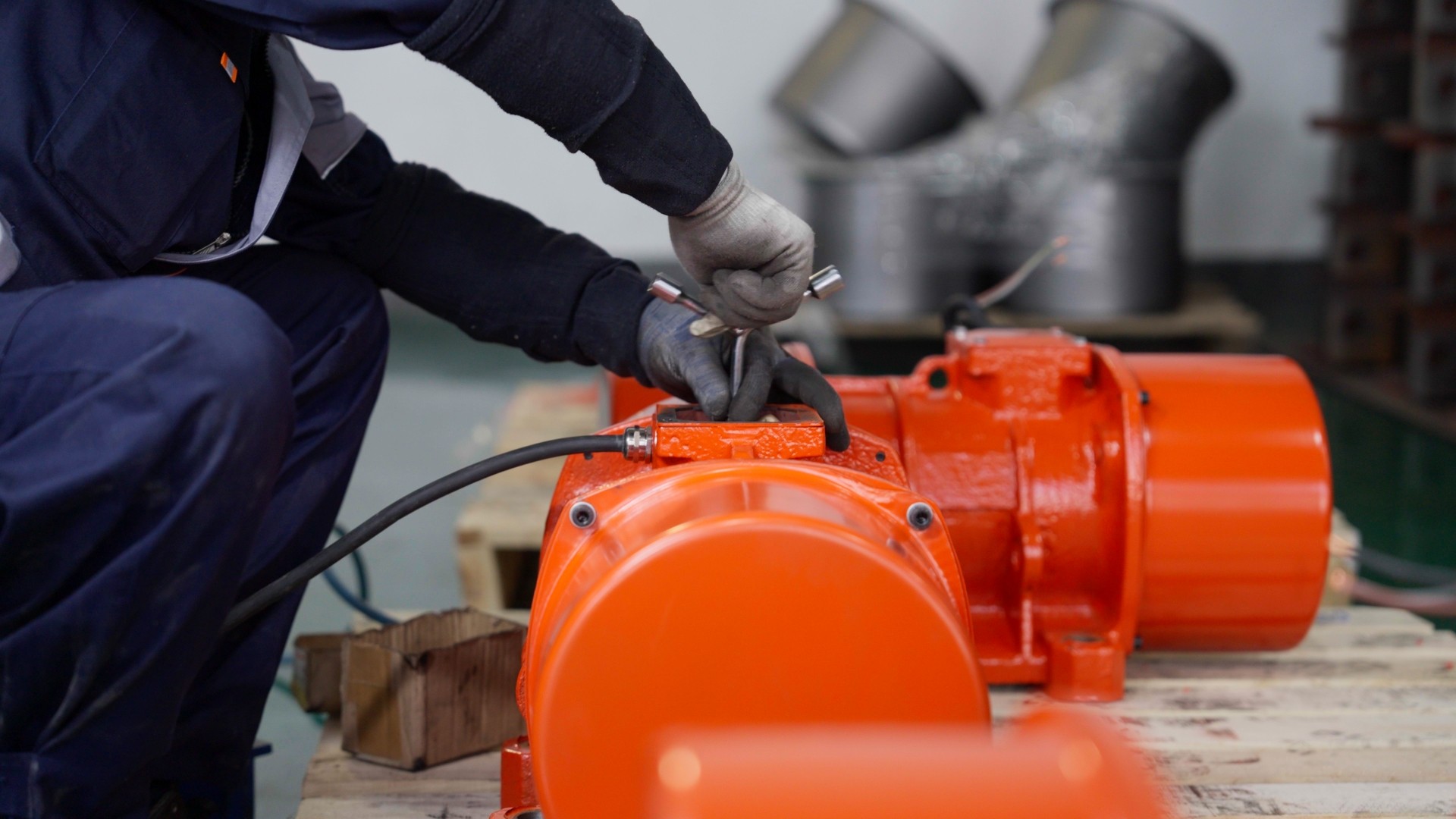
Understanding the Function of a Vibrating Motor for Screen
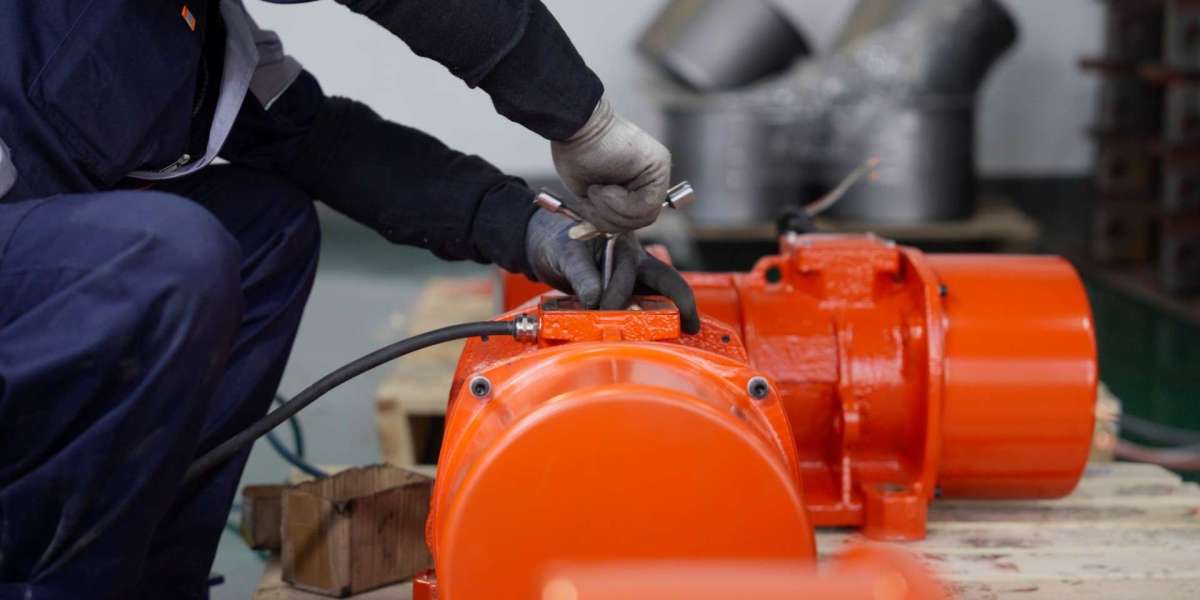
A vibrating motor for screen converts electrical energy into mechanical vibration through eccentric blocks mounted on the motor shaft. This vibration generates excitation force that drives material movement, stratification, and separation across the screen surface.
Unlike conventional motors, vibrating motors must simultaneously provide:
Stable rotational performance
Adjustable vibration force
Continuous operation under high dynamic loads
Resistance to dust, moisture, and harsh environments
This makes motor design, balance accuracy, and bearing quality critical to screening performance.
Key Performance Parameters That Matter in Screening Applications
Excitation Force and Amplitude Control
The excitation force generated by a vibrating motor directly determines material throwing strength and screening efficiency. High-quality vibrating motors allow flexible adjustment of eccentric block angles, enabling precise control of amplitude without changing motor speed.
This adaptability is essential when processing materials with varying particle sizes, moisture content, or density.
Vibration Stability and Phase Consistency
In multi-motor screening systems, phase synchronization between motors is critical. Unstable vibration can lead to uneven material distribution, screen fatigue, and premature equipment failure. A well-engineered vibrating motor for screen ensures consistent phase behavior and minimal vibration deviation during long-term operation.
Structural Design Requirements for Industrial Screens
High-Strength Motor Housing
Screening environments are typically dusty, abrasive, and subject to continuous vibration. Motor housings must be structurally reinforced to withstand mechanical stress while maintaining precise internal alignment.
Bearing and Lubrication Systems
Bearings are among the most stressed components in a vibrating motor. Industrial-grade vibrating motors use high-load bearings and optimized lubrication paths to reduce heat buildup and extend service life, even under continuous duty cycles.
Application-Specific Demands Across Industries
Mining and Aggregates
In mining and aggregate screening, vibrating motors must deliver high excitation force and shock resistance, supporting large screen decks and heavy material loads without performance degradation.
Chemical and Food Processing
These industries require motors with stable vibration, low noise, and compliance with hygiene or corrosion-resistance standards, ensuring product quality and regulatory compliance.
Environmental and Recycling Equipment
Recycling screens demand motors capable of handling irregular materials and fluctuating loads, making vibration adaptability and durability essential.
Energy Efficiency and Operational Cost Control
Modern vibrating motor for screen solutions focus not only on power output but also on energy efficiency. Optimized electromagnetic design reduces power consumption while maintaining excitation force, directly lowering operating costs over the equipment lifecycle.
Reduced energy loss also means lower operating temperature, which contributes to longer bearing and insulation life.
Installation and Maintenance Considerations
Correct Mounting and Alignment
Proper installation is essential for achieving designed vibration characteristics. Misalignment or improper fastening can reduce excitation efficiency and accelerate mechanical wear.
Preventive Maintenance for Long-Term Stability
Routine inspection of eccentric blocks, fasteners, and bearing temperature helps prevent unplanned downtime. High-quality vibrating motors minimize maintenance frequency, but predictive maintenance practices remain critical in high-duty screening systems.
Selecting the Right Vibrating Motor for Screen Applications
When selecting a vibrating motor, engineers should evaluate:
Required excitation force and screen size
Operating environment (dust, moisture, temperature)
Duty cycle and continuous operation requirements
Energy efficiency and lifecycle cost
Choosing a motor optimized for application-specific demands ensures stable screening performance and maximizes return on investment.
Conclusion: Vibrating Motors as the Backbone of Screening Performance
A vibrating motor for screen is not merely a component—it is the dynamic core of the screening system. From excitation accuracy to mechanical durability, the quality of the vibrating motor directly determines separation efficiency, equipment lifespan, and operating cost.
With application-focused engineering and proven industrial reliability, SUDA MOTOR delivers vibrating motor solutions that empower screening systems to operate with precision, stability, and efficiency in demanding industrial environments.