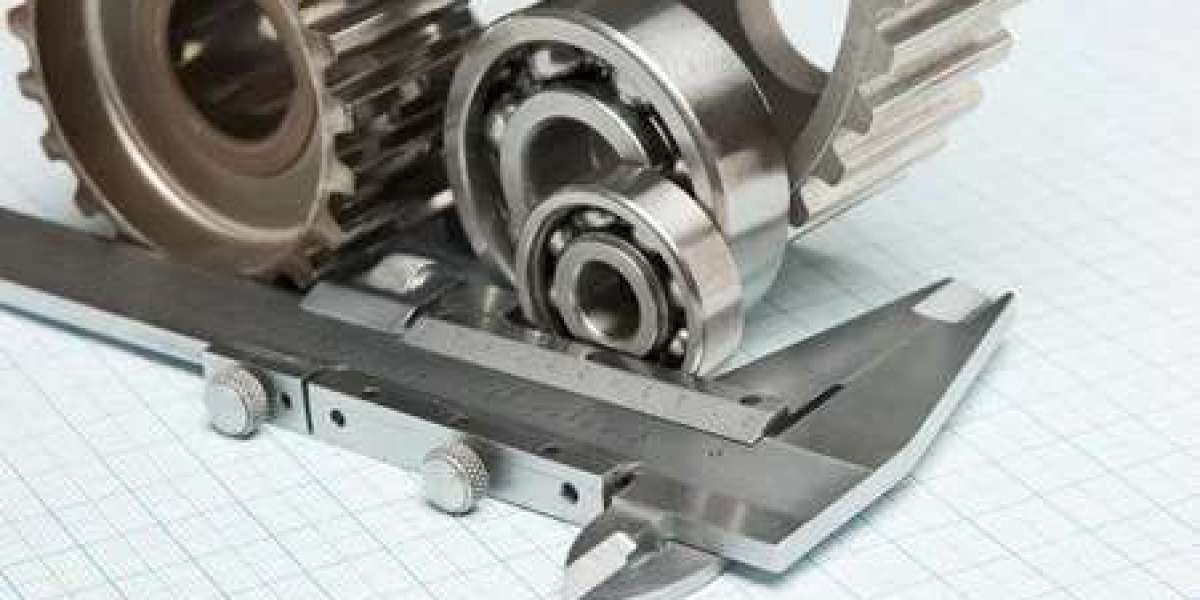
In today’s precision-driven manufacturing environment, accurate measurements are the backbone of quality control and product reliability. Among the essential tools for achieving high-precision measurement, the caliper with depth gauge rod stands out for its versatility. Unlike standard calipers, this instrument allows operators not only to measure external and internal dimensions but also to assess depths with exceptional accuracy, making it indispensable for packaging, mechanical, and industrial production lines.
West Lake Packaging Machinery, a leading provider of advanced packaging solutions, leverages these calipers to ensure dimensional compliance across its machinery components, guaranteeing consistent output quality.
Understanding the Caliper with Depth Gauge Rod
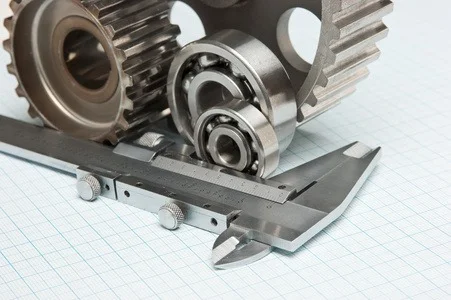
A caliper with depth gauge rod combines traditional caliper jaws with a precision depth measuring rod that extends beyond the base of the caliper. This design enables users to:
Measure internal diameters of cylindrical components
Accurately determine depth in recesses, slots, or cavities
Maintain consistency in repetitive measurements
The depth gauge rod typically provides a measurement range corresponding to the caliper’s scale, ensuring that the operator can measure both shallow and deep cavities without sacrificing accuracy.
Key Features and Technical Advantages
High Accuracy and Resolution
Quality calipers with depth gauge rods offer resolutions up to 0.01 mm or 0.0005 inches, allowing precise assessment of critical tolerances in packaging machinery components such as conveyor slots, filler heads, and sealing jaws.
Multi-Functional Measurement Capabilities
By integrating external, internal, step, and depth measurements into one instrument, the caliper with depth gauge rod reduces the need for multiple tools, streamlining inspection processes and saving both time and operational cost.
Digital vs. Vernier Options
Modern calipers include digital readouts that provide instant measurements with minimal error, while vernier calipers remain a reliable choice for operators accustomed to analog systems. Both versions include a depth rod extension, ensuring comprehensive dimensional verification.
Material and Build Quality Considerations
The accuracy and durability of a caliper with depth gauge rod depend on the material and construction:
Stainless Steel Construction: Ensures corrosion resistance and long-term dimensional stability, critical in humid or dusty packaging environments.
Hardened Measuring Surfaces: Reduces wear and maintains measurement precision over time.
Smooth Rod Movement: Precision-machined depth rods minimize friction, ensuring repeatable and reliable readings.
West Lake Packaging Machinery prioritizes calipers built from high-quality materials to maintain accuracy in high-throughput packaging systems.
Applications in Packaging Machinery
Internal and External Component Measurement
Operators use the caliper to verify the external dimensions of machine frames, internal diameters of guide rails, and slot widths of conveyor systems, ensuring all parts meet strict tolerance standards.
Depth Measurement in Product Lines
Depth gauge rods are particularly useful in checking fill-level channels, die cavities, and sealing plate recesses, where precise depth measurement is critical for consistent product quality.
Quality Assurance in Multi-Stage Production
By integrating calipers with depth gauge rods into routine QA checks, packaging machinery operators can detect component deviations early, preventing misalignment, leaks, or defective packaging output.
Best Practices for Calibration and Usage
Routine Calibration
Calipers must be calibrated periodically against gauge blocks or reference standards to maintain measurement accuracy, particularly when used in industrial environments with vibration, dust, or temperature fluctuations.
Proper Handling and Storage
Avoid dropping or applying excessive force to the depth rod
Clean measuring surfaces before use to prevent debris from affecting readings
Store in protective cases to avoid mechanical deformation
Training and Operator Proficiency
Proper training ensures that personnel correctly measure depths without tilting the rod or misaligning the caliper jaws, which could introduce significant measurement errors.
Integration with West Lake Packaging Machinery Systems
West Lake Packaging Machinery employs calipers with depth gauge rods in both pre-assembly inspection and post-assembly quality checks, integrating measurement data into digital QA logs. This approach ensures:
Continuous compliance with design tolerances
Reduced scrap and rework costs
Higher consistency and reliability of packaging machinery operations
The depth measurement capability specifically allows engineers to optimize machinery setups, ensuring uniformity across production batches.
Conclusion: Precision, Efficiency, and Reliability
The caliper with depth gauge rod is more than a basic measuring tool—it is a cornerstone for precision, efficiency, and quality assurance in modern industrial and packaging systems. West Lake Packaging Machinery’s adoption of high-precision calipers ensures dimensional accuracy, reduces defects, and supports the delivery of high-quality packaged products worldwide.
By combining robust build quality, versatile measurement capabilities, and proper calibration practices, manufacturers can maximize the effectiveness of this indispensable tool.