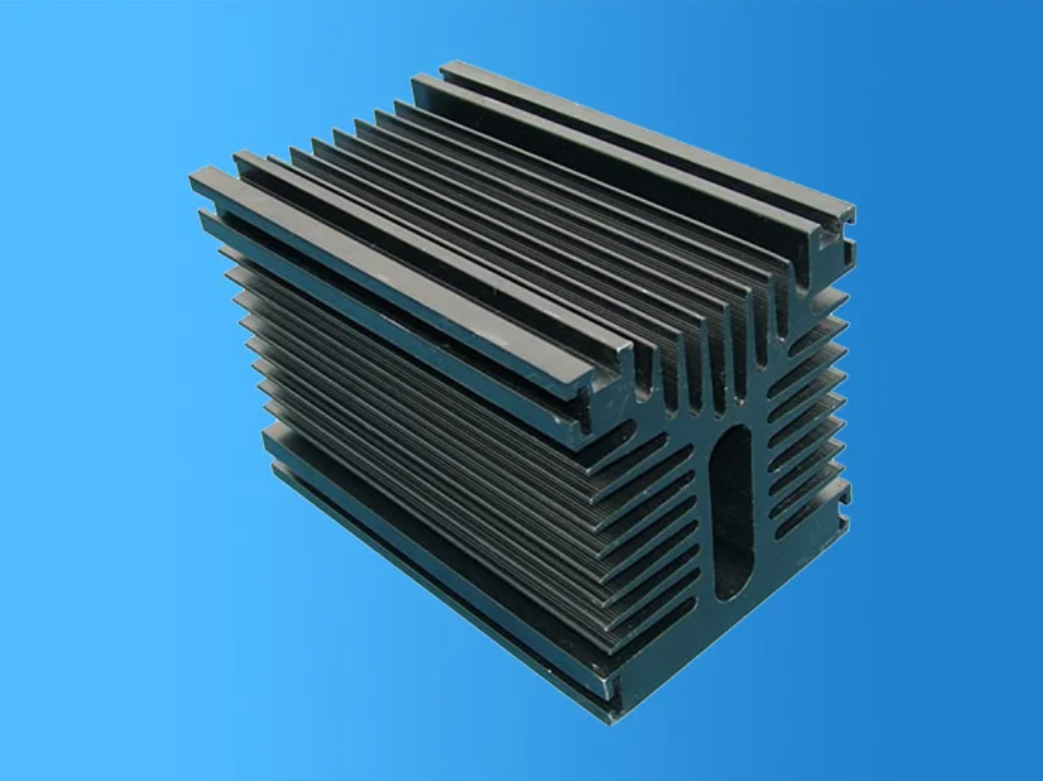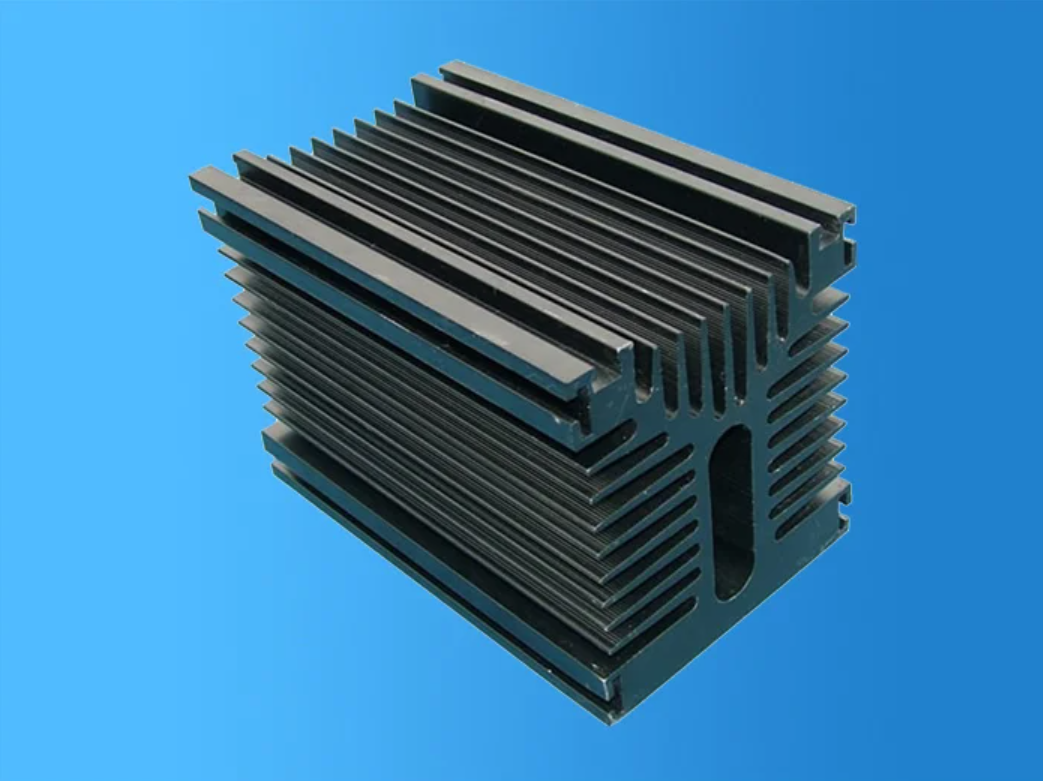
The tube sheet stiffener installation is regarded as the "heart" of the bag filter, responsible for controlling the instantaneous air jet to achieve filter bag cleaning. Once a failure occurs, it will directly lead to a sharp increase in the filter resistance, failure of cleaning, and even shutdown of the filter. The following are the common failure phenomena of the pulse valve during actual operation and the corresponding professional maintenance troubleshooting techniques:
1. After power-on, the pulse valve does not operate
Failure phenomenon: The controller sends an electrical signal, but the pulse valve shows no response (no crisp jet sound or vibration), resulting in the inability to clean this chamber.
Cause analysis and maintenance techniques:
1. Circuit and coil problems: First, check if the wiring is loose, disconnected, or open circuit. Use a multimeter to measure the coil resistance. If the resistance is infinite, it indicates that the coil has burned out (the normal resistance is usually between 20-50Ω), and a replacement of the same specification coil is required. At the same time, confirm if the input voltage is normal (such as DC 24V ± 10%).
2. Insufficient air source pressure: Check the pressure gauge of the air storage tank to ensure that the working pressure is within the normal range (usually 0.4-0.6MPa). Insufficient air pressure will cause the diaphragm not to be opened.
3. Internal jamming: The compressed air contains oil, rust, or welding slag and other impurities, causing the moving column or diaphragm of the pilot head to be stuck. It is necessary to disassemble the valve body, clean the internal dirt and foreign substances, and it is recommended to install a precision filter at the front end of the air source.
2. The pulse valve is always open and leaks air
Failure phenomenon: Regardless of whether it is powered on or not, the pulse valve continuously leaks air to the jet port, or there is always air flow coming out of the exhaust port, causing the pressure in the air bag to drop rapidly.
Cause analysis and maintenance techniques:
1. Diaphragm damage or aging: This is the most common failure. Long-term high-frequency operation or high-temperature corrosion will cause the rubber diaphragm to crack, develop cracks, or lose elasticity. Open the valve cover to inspect, and replace immediately if the diaphragm is damaged (it is recommended to use fluororubber diaphragms with high temperature and corrosion resistance).
2. Foreign matter on the sealing surface of the diaphragm and valve seat: If welding slag, dust particles, etc. are stuck on the sealing surface of the diaphragm and the valve seat, it will cause the valve to fail to close tightly. Disassemble and thoroughly clean the sealing surface to solve the problem.
3. Spring failure: The return spring is worn out or rusted, and its elasticity is insufficient to push the diaphragm back. It is necessary to replace with a new stainless steel spring.
3. Weak jet or poor cleaning effect
Failure phenomenon: The pulse valve operates normally, and you can hear the jet sound, but the air flow is weak, and it cannot effectively shake off the accumulated dust on the filter bag.
Cause analysis and maintenance techniques:
1. Blockage of throttling holes: The damping holes on the diaphragm or the throttling holes of the pilot valve are blocked by oil sludge, water scale, or welding slag, causing poor exhaust from the back pressure chamber and insufficient diaphragm opening stroke. Use a fine copper wire to carefully clear the throttling holes (do not use hard metals to poke forcefully as it may enlarge the hole diameter).
2. Air source containing water and oil: Excessive oil and water in the compressed air will erode the diaphragm, increasing its operating resistance. Strengthen air source treatment, drain the water in the air storage tank daily, and ensure the normal operation of the refrigerated dryer.
3. Incorrect pulse parameters setting: The pulse width (jet time) set by the control instrument is too short, resulting in insufficient jet volume. Generally, the pulse width should be adjusted to 0.1-0.15 seconds.
tube sheet stiffener installation https://www.hpindus.com/installation-of-tube-sheet-stiffeners.html