For electric bicycle distributors, wholesalers, and importers, finding the right supplier involves more than comparing quotations. Products must meet customer expectations, perform reliably under local riding conditions, and comply with the regulations of the target market.
Working with experienced electric bicycles manufacturers can help businesses build a suitable product portfolio and manage sourcing risks. Before committing to a bulk purchase, buyers should evaluate several key factors, from product specifications and quality standards to supplier reliability and after-sales support.
1. Match Electric Bike Models to Your Target Market
Different customer groups have different priorities when purchasing electric bicycles. Daily commuters may prefer a practical design, manageable weight, and sufficient battery capacity for regular journeys. Leisure riders may be more interested in wide tires, suspension, and riding comfort, while commercial users often focus on durability and maintenance requirements.
Before selecting products, consider your customers' typical travel distances, road conditions, purchasing budgets, and local preferences.
SYEV provides electric bicycle models for different riding applications. The SY-TS electric bike features a 400W motor and a 48V 9.8Ah lithium battery, with a stated range of 50 km. This model may be suitable for buyers exploring options for short-distance mobility, although actual range depends on riding conditions and local requirements.
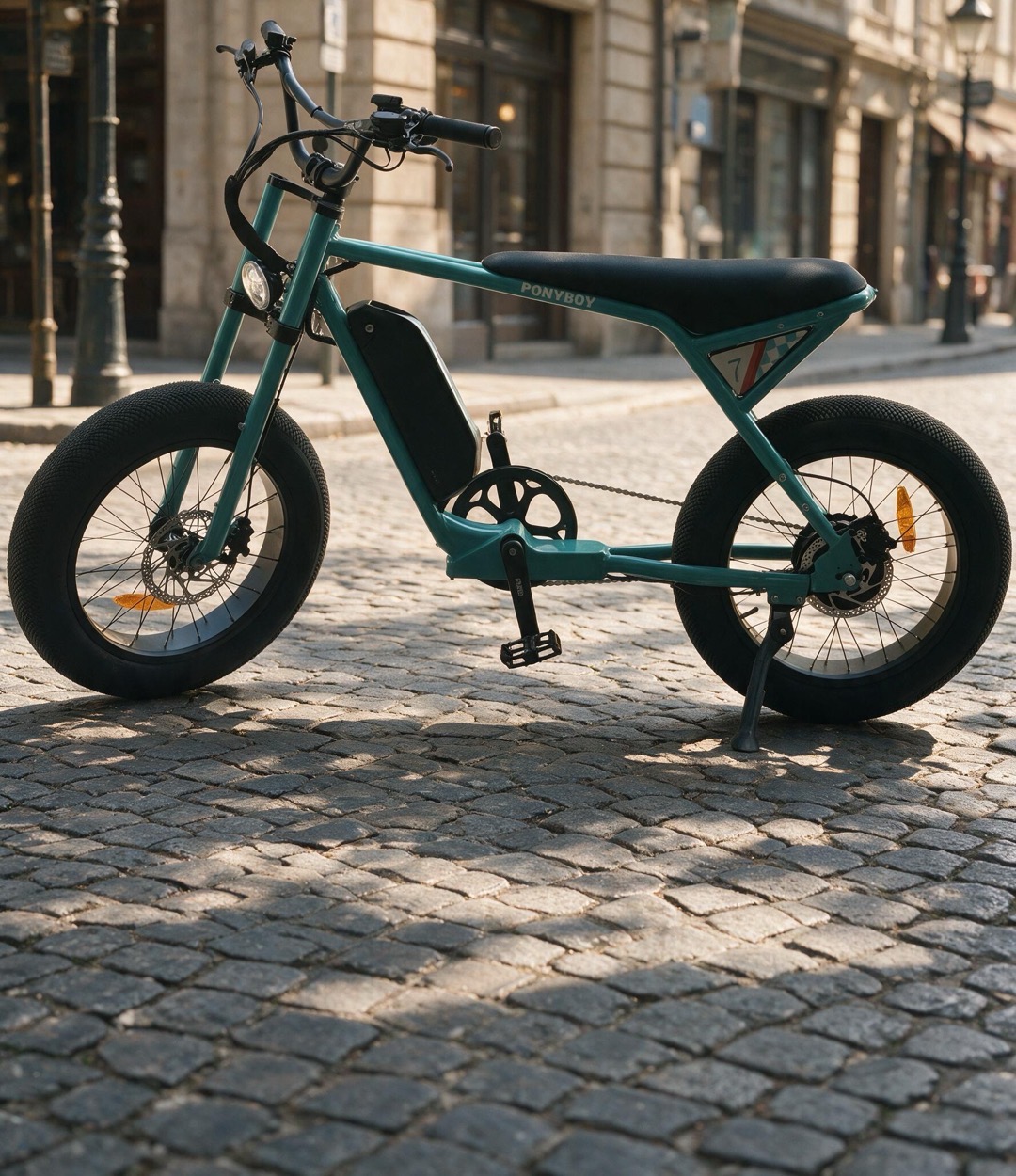
The SY-MB fat-tire electric bike is equipped with a BAFANG rear-hub motor, hydraulic disc brakes, front suspension, and a Shimano Altus seven-speed drivetrain. These features may appeal to customers looking for a more versatile bike for leisure riding and varied road conditions.
Comparing product features against specific customer needs can help businesses select models with stronger market potential rather than purchasing inventory based on specifications alone.
2. Look Beyond Advertised Battery Range
Battery performance is an important consideration when sourcing electric bicycles for retail or wholesale distribution. However, the advertised riding range should be treated as a reference rather than a guaranteed result.
One useful comparison is battery energy capacity, measured in watt-hours (Wh). For example, a 48V, 15Ah battery has a nominal energy capacity of approximately 720Wh. This provides a more meaningful starting point for comparing batteries than ampere-hours alone.
Actual riding distance is influenced by several factors, including rider weight, terrain, outside temperature, tire pressure, speed, and pedal-assistance level. Buyers should ask suppliers about their testing methods and the conditions under which the stated range was achieved.
Motor specifications also require careful evaluation. Rated power, controller configuration, vehicle weight, and assisted-speed settings all influence the riding experience. A more powerful motor is not necessarily the best option for every market, especially where regulations restrict motor output or assisted speed.
For wholesale orders, confirm battery specifications, charging requirements, charger compatibility, replacement battery availability, and warranty terms before finalizing the purchase.
3. Assess Component Quality and Manufacturing Consistency
A well-designed electric bicycle needs more than an attractive frame and a powerful motor. The quality and compatibility of its mechanical and electrical components affect reliability, safety, and long-term ownership costs.
When evaluating a potential supplier, pay attention to frame construction, braking performance, tire selection, suspension, electrical connections, and the integration of the motor, battery, controller, and charger.
For example, hydraulic disc brakes can provide effective braking performance when correctly specified and maintained. Front suspension may improve comfort on uneven surfaces, while appropriate tires can help balance traction, handling, and rolling resistance.
Buyers should also assess the manufacturer's quality-control procedures. Requesting product samples, available test reports, inspection records, and written warranty terms can provide a clearer picture of the supplier's production standards.
For distributors placing repeat orders, consistency is especially important. The specifications of subsequent batches should match the approved sample and purchase agreement. Documenting critical components and technical requirements can help reduce disputes and unexpected product variations.
4. Confirm Compliance Before Importing Electric Bikes
Regulatory compliance should be addressed before an electric bicycle order is placed, not after the products arrive at the destination port.
Requirements differ between countries and may depend on motor output, maximum assisted speed, throttle operation, vehicle classification, battery specifications, and intended use.
For certain electrically power-assisted cycles in Europe, EN 15194 is a relevant standard. However, buyers should verify whether a specific model falls within its scope and meets all applicable requirements. Compliance cannot be assumed simply because a manufacturer supplies electric bicycles to international customers.
Importers should confirm the necessary conformity documentation, product labeling, user manuals, battery transportation documentation, and charger compatibility for their destination market.
It is also important to clarify who is responsible for providing technical documents and supporting compliance checks. Resolving these questions before production can reduce the risk of shipment delays, additional costs, or restrictions on local sales.
5. Compare the Total Cost of Wholesale Purchasing
A low unit price does not always translate into a better sourcing decision. The actual cost of purchasing electric bicycles includes transportation, import duties, spare parts, warranty claims, storage, and potential maintenance expenses.
When comparing SYEV with other electric bicycle manufacturers and suppliers, buyers should review minimum order quantities, sample policies, production lead times, packaging arrangements, and after-sales service.
Businesses planning to develop their own brands should also confirm whether private labeling or product customization is available. Any changes to components or product specifications should be reviewed carefully because they may affect production schedules and compliance documentation.
Before confirming a bulk order, prepare a written specification sheet covering the motor, battery, brakes, tires, accessories, and other essential components. Agreeing on inspection criteria and delivery requirements in advance can help both parties maintain clear expectations.
Reliable communication and accessible replacement parts can also make a significant difference when managing a growing retail or distribution business.
Conclusion
Choosing suitable electric bicycles for wholesale distribution requires a balanced assessment of customer demand, battery performance, component quality, regulatory compliance, and supplier capabilities.
SYEV offers models such as the SY-TS and SY-MB for buyers evaluating different electric mobility and leisure-riding applications. Rather than relying solely on price or advertised specifications, distributors and importers should compare technical details, verify documentation, and establish clear quality and after-sales requirements before placing an order.
A structured sourcing process can help businesses manage purchasing risks, maintain product consistency, and build a more dependable electric bicycle product range for their target markets.
https://www.syevglobal.com/what-should-buyers-look-for-in-electric-bicycle-manufacturers.html