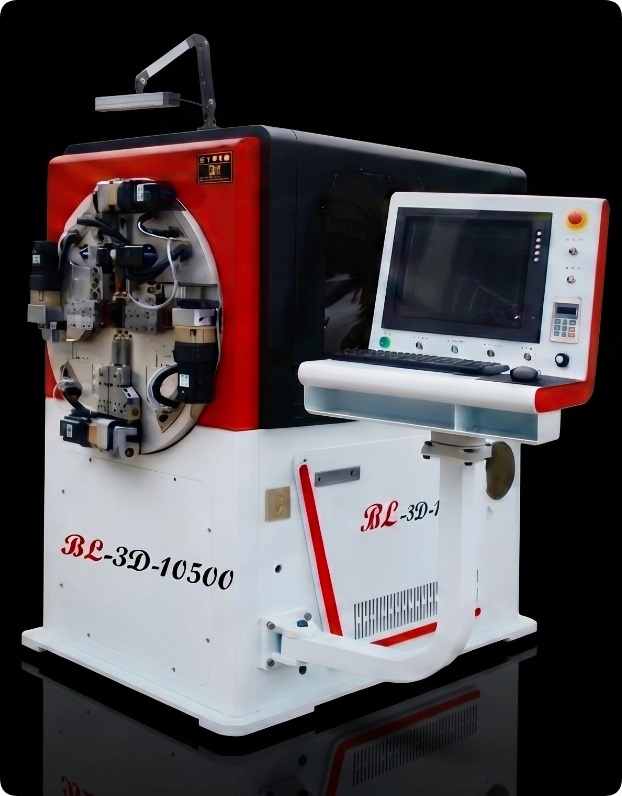
A busbar bending machine is specialized equipment used to shape copper and aluminum busbars into precise angles and forms required in electrical systems. These machines support bending operations such as L‑shape, U‑shape, and Z‑shape bends, enabling manufacturers to meet diverse installation needs in power distribution, switchgear, substations, and industrial electrical systems . Their ability to deliver accurate, repeatable results makes them indispensable in modern electrical engineering.Get more news about <b><a href="https://www.belanmachinery.com/">busbar bending machine</a></b>,you can vist our website!
Core Components and Working Principle
A typical busbar bending machine consists of a frame, hydraulic system, electrical control system, operating table, and bending molds . The hydraulic system provides the force needed to bend the busbar, while the electrical system—often PLC‑controlled—ensures precise positioning and automated operation. During bending, the machine drives the bending mold against the busbar material, forming it according to preset angles and specifications. This combination of hydraulic power and intelligent control enables fast, consistent, and high‑accuracy processing.
Key Features of Busbar Bending Machines
Modern busbar bending machines offer several important features that enhance productivity and quality:
High Precision
Advanced machines use computer control technology to accurately manage bending angles and positions, ensuring consistent results even for complex shapes . CNC models further improve accuracy through programmable parameters and digital control.
High Efficiency
Many machines can complete multiple bending operations in one cycle, significantly improving production speed and reducing labor requirements . Automatic systems streamline repetitive tasks and minimize manual intervention.
Multifunction Capability
Beyond bending, some machines integrate punching, cutting, and forming functions, creating a one‑stop solution for busbar processing . This versatility reduces equipment investment and simplifies workflow.
Durability and Stability
High‑quality machines use reinforced steel structures and undergo processes such as high‑temperature tempering and shot peening to ensure long‑term stability and resistance to heavy industrial use .
Intelligent Control
CNC busbar bending machines equipped with systems such as Siemens controllers allow operators to store data, input parameters, and execute automated bending sequences with ease . This improves reliability and reduces human error.
Benefits of Using a Busbar Bending Machine
Busbar bending machines offer several advantages that directly impact production quality and efficiency:
Efficient production through automation and fast processing cycles .
Precision processing that ensures accurate dimensions and reliable electrical connections .
Versatility to handle various busbar sizes, shapes, and materials .
Reduced labor costs due to minimized manual work and simplified operation .
Improved product quality through consistent bending results and reduced human error .
These benefits make busbar bending machines essential tools for manufacturers seeking high‑performance electrical components.
Applications Across Industries
Busbar bending machines are widely used in power distribution systems, substations, switchgear manufacturing, renewable energy installations, and industrial electrical equipment . They help produce busbars that connect transformers, circuit breakers, and other electrical devices, ensuring safe and efficient current transmission.
Conclusion
A busbar bending machine is a critical asset in electrical manufacturing, offering precision, efficiency, and versatility for processing copper and aluminum busbars. With advanced hydraulic and CNC technologies, these machines support complex bending requirements while improving production speed and reliability. As electrical systems continue to evolve, investing in a high‑quality busbar bending machine ensures manufacturers can meet modern demands for accuracy, safety, and performance.