Indoor surfing is creating new opportunities for hotels, shopping malls, sports centers, water parks, and other commercial venues. It offers visitors an interactive activity while helping businesses introduce new entertainment experiences into their existing spaces.
However, installing an indoor surf simulator involves more than choosing equipment that can produce consistent waves. Developers also need to consider structural loads, available floor space, ceiling height, utility connections, construction requirements, and installation schedules. These factors can significantly influence the feasibility and cost of a project.
One important consideration is how much water the system needs to store. By optimizing water storage and equipment layout, modern indoor surfing systems can help make projects more adaptable to commercial buildings where space and construction conditions are limited.
The Structural Challenges of Traditional Wave Pools
Water volume has a direct relationship with structural loading. One US gallon of water weighs approximately 8.34 pounds, meaning that even a relatively small increase in stored water can add substantial weight to a building.
For traditional wave pools, project teams must account for the water load as well as the forces generated during operation. Depending on the design, this may require reinforced supporting structures, specialized foundations, waterproofing, drainage systems, and extensive construction work.
These requirements can be manageable when a facility is designed specifically for a large water attraction. The situation is often more complicated when an operator wants to add surfing to an existing hotel, shopping mall, sports center, or mixed-use commercial property.
Deep excavation may interfere with existing foundations, underground utilities, or finished flooring. Additional steel and concrete work can also increase construction costs and extend the time needed before the attraction becomes operational.
For developers working with existing buildings, therefore, the equipment's water-storage arrangement and installation method deserve attention early in the planning process.
Rethinking Water Storage in Indoor Surf Simulators
A practical indoor surf simulator must balance three priorities: a suitable riding experience, efficient use of water, and compatibility with the installation site.
Ibaysurf approaches this challenge by concentrating water storage in designated areas rather than distributing unnecessary water throughout the entire space beneath the riding surface. The central section can remain free of unnecessary stored water, helping the system use its available volume more efficiently.
This design approach focuses on reducing the water and structural requirements associated with the equipment while preserving the riding area needed for commercial use.
Key design considerations include:
- Optimized water storage: Allocating water to the areas where it is needed can help limit unnecessary water volume.
- Compact equipment layout: A well-organized structure can make it easier to plan the equipment within different commercial venues.
- Wide riding surface: Efficient water management should still support a practical riding area for users.
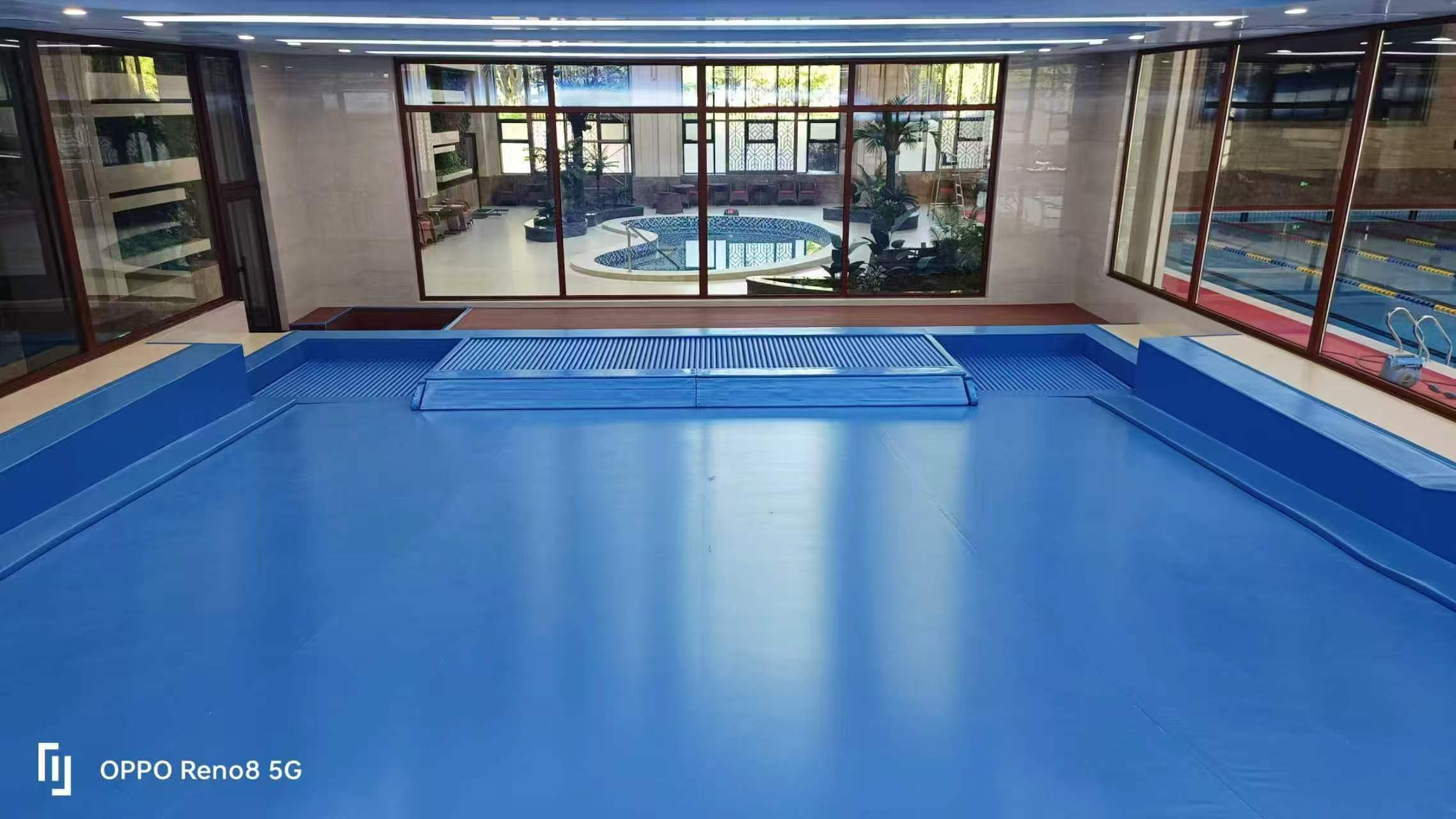
- Surface-mounted installation: Installing the system on a suitable existing hard surface can reduce the need for traditional deep excavation.
- Water circulation design: Appropriate circulation helps maintain the flow required for the intended surfing experience.
- Customized components: Equipment dimensions and supporting parts can be adapted to project-specific layouts.
These features do not eliminate the need for engineering assessment, but they can give developers more options when planning an indoor surfing attraction.
How Lower Water Volume Can Help Commercial Projects
Reducing stored water can influence more than the equipment's operating arrangement. It can also affect site preparation, supporting structures, and the space needed for related components.
Ibaysurf's published specifications include a water tank capacity below 30 m³ and a platform height below 0.8 meters. The system is designed for surface installation without the traditional deep excavation associated with some pool-based attractions.
For projects in existing commercial buildings, these characteristics may provide additional flexibility when evaluating floor loading, installation height, and construction requirements. The actual benefits depend on the building's structural capacity, the selected equipment configuration, and local engineering requirements.
Developers should still have qualified professionals assess the supporting floor, load distribution, drainage, waterproofing, and other site conditions before installation. A lower water volume does not automatically mean that every building is suitable for the equipment.
Can Less Stored Water Still Deliver an Engaging Surfing Experience?
Water efficiency is only valuable when the system can meet the needs of its intended users. Commercial operators must consider both installation practicality and the experience they want to provide.
The objective is not simply to reduce equipment dimensions. It is to manage water more effectively, avoid unnecessary storage, and control overall equipment height while maintaining a suitable riding surface and consistent water flow.
For venues with limited ceiling clearance, equipment height can be an important planning factor. A relatively low platform may create more installation options than a taller structure, although the required ceiling clearance must also account for rider movement, safety arrangements, lighting, and other site-specific conditions.
The width and layout of the riding surface are equally important. A commercial indoor surf simulator needs to accommodate its intended users and operating model rather than focusing only on reducing the equipment's footprint.
For this reason, water volume, riding area, circulation performance, and installation height should be evaluated together when comparing indoor surfing systems.
Don't Overlook Accessories and Site Preparation
A surf simulator is not an isolated machine. Its supporting components, connections, protective parts, and installation accessories all contribute to the overall project.
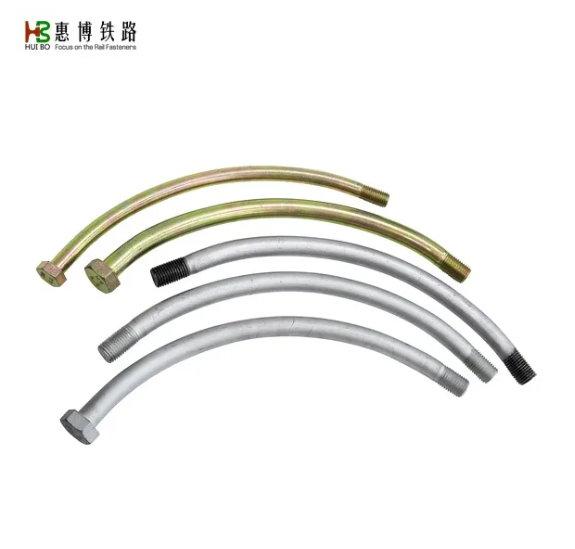
Depending on the layout, customized brackets, connection components, and other machined parts may be required to ensure that the equipment fits the site. Accurate component manufacturing can simplify assembly and help reduce adjustments during installation.
Site preparation is equally important. Before equipment delivery, the project team should review the following items:
- Floor and structural conditions: Confirm that the installation surface and supporting structure are suitable for the expected loads.
- Available space and height: Check the equipment area, required clearances, and access for maintenance.
- Equipment access: Ensure that components can be transported into the building and positioned correctly.
- Power supply: Confirm the required electrical supply and connection arrangements.
- Water supply and drainage: Plan the necessary connections and drainage capacity.
- Maintenance access: Leave sufficient room for inspection, servicing, and replacement of components.
Addressing these details in advance can reduce avoidable delays and help coordinate the equipment installation with other construction work.
What Is the Typical Ibaysurf Production and Installation Timeline?
According to the provided project information, Ibaysurf's equipment production cycle is approximately 30–60 days, followed by an installation period of around 10–20 days. Actual schedules may vary according to customization requirements, project complexity, site readiness, and logistics.
During the preparation stage, the project team can arrange the required floor area, utilities, drainage, and equipment access according to the confirmed specifications. Once the equipment arrives, the main unit and its supporting components are assembled and installed on site.
System testing follows installation to check the equipment's operation and readiness for use. Developers should confirm the final project schedule, commissioning scope, and site requirements with the supplier before committing to an opening date.
Planning these stages together helps operators coordinate construction, equipment delivery, installation, and staff preparation more effectively.
Why Consider Ibaysurf for an Indoor Surfing Project?
For hotels, shopping malls, sports centers, and other commercial venues, the suitability of an indoor surf simulator depends on how well the equipment matches the building and business requirements.
Ibaysurf's low-water design, platform height below 0.8 meters, and surface-mounted installation approach provide features worth evaluating when excavation and structural modifications are major project concerns. Its customized equipment and supporting components can also be considered when a venue has specific layout or installation requirements.
Before selecting a system, developers should review the technical specifications, site conditions, required utilities, safety arrangements, and expected maintenance needs. A project-specific assessment is essential to determine whether the equipment is appropriate for the intended location.
Conclusion
The development of indoor surfing is not just about producing waves. It also involves making the complete installation practical for the building, the operator, and the people using the attraction.
Optimized water storage can help reduce unnecessary water volume and associated loads, while a surface-mounted structure may reduce the need for extensive excavation. Appropriate accessories, careful site preparation, and a clearly defined installation schedule can further support project planning.
For commercial developers, Ibaysurf offers a low-water indoor surf simulator concept designed around these considerations. The most effective way to evaluate the system is to consider water requirements, structural suitability, riding area, installation conditions, and operating needs as part of one integrated project plan.
Frequently Asked Questions
How much water does an indoor surf simulator require?
Water requirements depend on the equipment design and project configuration. Ibaysurf's published specifications indicate a tank capacity below 30 m³. Developers should confirm the applicable specifications for their selected system and distinguish equipment tank capacity from any additional water requirements associated with the complete installation.
Does a low-water indoor surf simulator require less structural support?
Lower stored water volume can reduce the water-related load, but the complete structural requirement depends on equipment weight, load distribution, dynamic operating forces, and the building itself. A qualified structural assessment is still necessary before installation.
Can an indoor surf simulator be installed in an existing commercial building?
It may be possible when the building has a suitable supporting surface, adequate clearance, and the necessary utilities. Surface-mounted equipment can reduce the need for deep excavation, but site suitability must be confirmed through project-specific assessment.
How long does an Ibaysurf installation take?
The provided timeline is approximately 30–60 days for production and 10–20 days for installation. The actual schedule depends on equipment customization, delivery arrangements, site readiness, and the agreed installation scope.https://www.ibaysurf.com/less-water-lower-structural-loads-a-new-approach-to-indoor-surfing.html