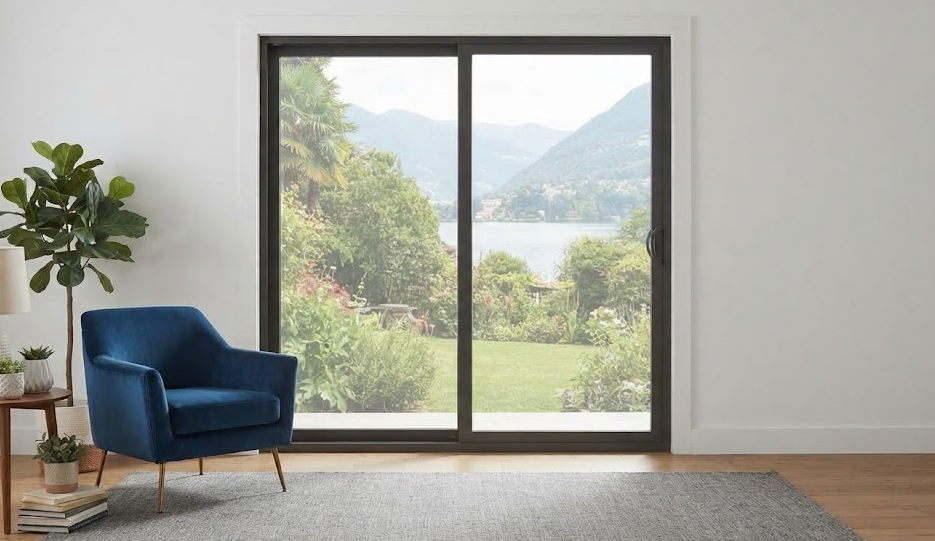
As architectural designs evolve, windows are expected to do much more than provide natural light and outdoor views. They influence a building's thermal performance, ventilation, acoustic comfort, weather protection, and visual appeal. For architects, contractors, and property developers, choosing the right window system has become an important part of creating comfortable and energy-efficient buildings.
Sliding windows continue to attract attention because they are easy to operate and do not require additional interior space for an outward- or inward-opening sash. They are commonly considered for apartments, villas, offices, hotels, and commercial developments.
At the same time, different projects have different requirements for window dimensions, glass specifications, frame finishes, and environmental performance. This has increased interest in the custom sliding window market, where manufacturers develop configurations to suit specific building designs rather than relying exclusively on standard sizes.
1. Energy Efficiency Is a Major Factor in Window Design
Energy consumption is an important consideration in modern construction. As building owners seek to manage heating and cooling costs, windows are receiving greater attention as part of the overall building envelope.
Window performance affects how heat moves between indoor and outdoor environments. In hot climates, excessive solar heat gain can increase cooling demand. In colder regions, heat loss through poorly insulated windows may affect indoor comfort and heating efficiency.
Several factors should be evaluated when selecting a sliding window:
- Glazing configuration: Double glazing can improve thermal insulation by incorporating an insulating space between glass panes.
- Frame materials: The frame design and material influence heat transfer, structural performance, and durability.
- Sealing performance: Effective seals help limit unwanted air infiltration and support weather resistance.
- Solar control: The appropriate glass specification can help manage solar heat gain and daylight transmission.
- Installation quality: Poor installation can undermine the performance of an otherwise well-designed window.
It is important to evaluate these components as a complete system. Double glazing alone does not guarantee high energy efficiency, because the final result also depends on frame construction, spacers, seals, installation details, and local climate conditions.
For project buyers, comparing verified performance data is more useful than relying solely on general claims about energy savings.
2. Large Windows Require Careful Structural Design
Large glass panels have become a popular feature in contemporary architecture. They can make rooms feel more open, increase daylight, and create a visual connection between indoor living areas and outdoor spaces.
However, larger sliding windows introduce several engineering considerations. Heavier sashes place greater demands on the frame, rollers, tracks, and operating hardware. The window must remain stable and easy to operate while accommodating the weight of the selected glazing.
Designers must also balance slim frame profiles with structural strength and thermal performance. A narrow visible frame may create a modern appearance, but the complete assembly still needs to meet the project's load and durability requirements.
Working with a custom aluminum sliding window manufacturer can help project teams explore suitable sash dimensions, profile configurations, glass options, and hardware combinations.
Customization is particularly valuable when architectural openings fall outside standard dimensions or when a project requires a specific balance of appearance, functionality, and performance.
3. Weather Resistance Depends on More Than the Frame
Windows are exposed to different environmental stresses depending on their location. Coastal buildings may experience humid air and salt exposure, while tropical projects may face intense rainfall, high temperatures, and strong winds. In colder climates, air leakage and thermal insulation may become more significant concerns.
Sliding windows need to accommodate movement without compromising sealing and drainage. Unlike some other opening styles, their sashes travel along tracks, so the design of the tracks, seals, and drainage paths plays an important role in managing water.
Before selecting a system, buyers should consider:
- The typical rainfall and wind conditions at the project location
- The design of drainage channels and water outlets
- The quality and configuration of the sealing components
- The expected frequency of operation and maintenance
- The relevant air leakage, water penetration, and wind-load requirements
The required performance should be confirmed through appropriate specifications and test data. Not every sliding window configuration is suitable for every climate, and product suitability should be assessed against the project's actual conditions.
4. Custom Sliding Windows Involve More Than Size and Color
Customization is increasingly about matching the entire window system to the building's needs. Dimensions and surface finishes remain important, but they are only part of the decision.
Depending on the project, customized specifications may include:
- Frame profiles and sash dimensions
- Glass type, thickness, and glazing configuration
- Roller systems, handles, locks, and other hardware
- Sealing arrangements and drainage structures
- Thermal and acoustic performance requirements
- Frame colors and surface treatments
- Installation details and interface with the building envelope
For example, a residential development in a warm climate may prioritize solar control, ventilation, and ease of operation. An apartment building close to a busy road may place greater emphasis on acoustic insulation, suitable glazing, and effective sealing.
These differences demonstrate why the same basic window style may require different technical specifications across projects. A well-defined customization process helps coordinate architectural requirements with manufacturing capabilities.
5. Modern Manufacturing Supports More Flexible Production
Advances in manufacturing technology are helping window suppliers manage a wider range of configurations. Automated cutting, precision machining, controlled assembly, and structured quality inspections can improve dimensional consistency and production efficiency.
These capabilities are especially relevant to customized orders, where differences in dimensions, frame finishes, and hardware combinations can complicate production planning.
However, automation alone does not guarantee product quality. Manufacturers also need clear production specifications, suitable materials, inspection procedures, and consistent assembly standards.
For buyers, reviewing a supplier's manufacturing process can provide useful insight into its ability to handle project-specific requirements. Technical drawings, sample evaluations, dimensional checks, and documented quality-control procedures can help reduce errors before products are delivered to the construction site.
6. What Should Buyers Look for in a Custom Sliding Window Manufacturer?
Selecting a manufacturer involves more than comparing catalog images and initial prices. The supplier should be able to explain how its window system will meet the project's dimensional, functional, and environmental requirements.
Before placing an order, architects, contractors, and distributors should ask:
- Can the manufacturer produce the required dimensions and frame configurations?
- Which glass specifications and hardware options are available?
- How are drainage and sealing incorporated into the design?
- Is the hardware suitable for the weight and size of the sash?
- Can the supplier provide technical drawings and installation guidance?
- What quality checks are performed during production?
- Are relevant performance test reports available?
- Can the selected configuration meet the project's climate and regulatory requirements?
These questions help buyers assess whether a supplier can support the complete project rather than simply deliver a window of the requested size.
Clear communication is particularly important for international orders. Dimensions, glass specifications, frame finishes, hardware requirements, packaging, and installation details should be confirmed before production begins.
7. PINZAO Doors & Windows and the Development of Custom Window Solutions
PINZAO Doors & Windows offers aluminum sliding window systems featuring aluminum alloy frames, insulated tempered glass, sliding hardware, and drainage features. These product elements reflect several considerations that matter in modern window design, including structural support, glazing performance, ease of operation, and water management.
For buyers considering PINZAO products, the appropriate configuration should be assessed against the project's opening dimensions, local weather conditions, energy requirements, and installation details. Specific performance characteristics should be confirmed using the relevant product specifications and test information.
More broadly, the development of customized window systems reflects a shift in how the construction industry evaluates windows. Rather than focusing only on appearance or purchase price, project teams increasingly consider the complete product system and its expected performance throughout its service life.
Conclusion
The future of sliding windows is closely connected with energy efficiency, weather resistance, flexible design, and improvements in manufacturing quality. Although sliding windows offer practical advantages for modern buildings, their performance depends on the interaction between glazing, frame construction, hardware, seals, drainage, and installation.
Choosing a suitable custom sliding window manufacturer allows project teams to coordinate these elements with their architectural and environmental requirements. By reviewing technical specifications, confirming performance data, and communicating clearly before production, buyers can make more informed decisions for residential and commercial construction projects.
For manufacturers such as PINZAO Doors & Windows, customized window solutions provide a way to address the varied needs of contemporary building projects while balancing design preferences with practical performance considerations.
https://www.pinzaodw.com/how-custom-sliding-windows-are-shaping-modern-building-design.html