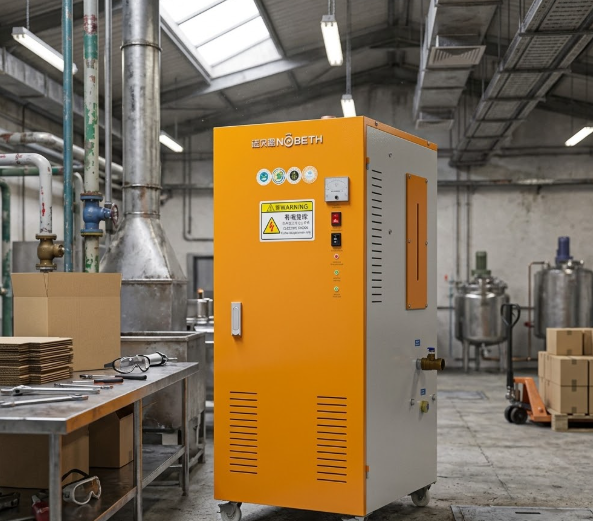
Steam plays an essential role in many industrial processes, from equipment sterilization and food production to textile finishing and pharmaceutical manufacturing. However, conventional steam systems can face challenges such as unnecessary energy consumption, frequent manual adjustments, and unstable steam pressure. These issues may affect production consistency and increase operating expenses.
A Fully Automatic Electric Steam Generator offers an alternative by combining electric heating with automated control. By responding to changing steam demand and monitoring operating conditions, this equipment can help businesses improve process stability and simplify daily boiler room management.
Nobeth Group provides electric steam generation solutions for a range of industrial applications. Its Fully Automatic Electric Steam Generator series is designed to support convenient operation, controlled steam production, and reliable performance in suitable working environments.
1. How Automation Supports More Consistent Steam Production
Steam demand is rarely constant throughout a production cycle. Some processes require a steady supply, while others need additional steam during peak operating periods. If a system cannot respond effectively to these changes, it may consume energy unnecessarily or struggle to maintain the required pressure.
An automatic electric steam generator uses control components to monitor operating conditions and adjust system operation accordingly. Depending on the specific configuration, automated functions may include pressure regulation, feedwater control, and operating-status monitoring.
This approach offers several practical benefits:
- Responsive operation: The generator can adjust its operation as steam demand changes, helping maintain a more suitable balance between output and consumption.
- More stable production conditions: Consistent steam pressure supports processes that depend on controlled heating, drying, or sterilization.
- Reduced manual workload: Automated monitoring and control reduce the need for operators to make frequent routine adjustments.
- Improved operating visibility: Monitoring functions can help staff identify abnormal conditions and respond before they cause greater disruption.
For manufacturers, these features are valuable because dependable steam supply can contribute to smoother workflows and more consistent product quality.
2. Energy Efficiency and Heating Performance
Energy consumption is an important consideration when selecting an industrial steam generator. Electric heating converts electrical energy into heat without the need for on-site fuel combustion. This can simplify equipment installation in facilities where conventional fuel-fired boilers are impractical.
Nobeth's electric steam generator range is designed for efficient heat generation and practical industrial use. Electric heating elements transfer heat to the water, producing steam for the connected process. The actual energy performance depends on factors such as equipment capacity, operating pressure, steam demand, water quality, and maintenance practices.
Automation can also support more efficient operation by matching steam production more closely to actual demand. Rather than focusing solely on the rated heating capacity, buyers should evaluate how the equipment performs under their normal production conditions.
When comparing different electric steam generator suppliers, it is worth checking rated power, steam output, startup time, operating pressure, and energy consumption data. These details provide a more useful basis for estimating long-term operating costs.
3. Water Quality and Maintenance Matter
Mineral deposits can accumulate on heating elements when feedwater contains excessive dissolved minerals. Over time, scale may reduce heat transfer efficiency, increase component temperatures, and lead to additional maintenance requirements.
For this reason, water treatment is an important part of maintaining an industrial electric steam generator. Depending on the application and local water conditions, suitable measures may include water softening, regular water-quality checks, and scheduled cleaning.
Automatic functions can make routine management easier, but they do not eliminate the need for preventive maintenance. Operators should follow the manufacturer's recommendations for water treatment, inspection, and cleaning. They should also check heating elements, valves, electrical connections, and other critical components at the recommended intervals.
A well-planned maintenance program helps protect equipment performance and can reduce the likelihood of unexpected production interruptions.
4. Safety Features for Industrial Applications
Steam equipment operates under pressure, so safety must remain a priority during equipment selection, installation, and operation. Electric systems also require appropriate protection against electrical faults and abnormal operating conditions.
Depending on the model and configuration, a fully automatic electric steam generator may include water-level monitoring, pressure controls, pressure-relief devices, and electrical protection functions. These components help manage operating risks and support safe system shutdown when abnormal conditions occur.
However, safety depends on more than the equipment itself. Correct installation, suitable electrical connections, proper grounding, operator training, and regular inspection are also essential. Buyers should confirm the safety devices and applicable certifications of the selected model before installation.
Working with an experienced manufacturer can help users identify a configuration that matches their process requirements and site conditions.
5. Where Can Fully Automatic Electric Steam Generators Be Used?
Electric steam generators are used in a variety of industries where controlled steam supply is required and electric heating is suitable for the facility.
Pharmaceutical and laboratory applications
Steam may be required for equipment cleaning, sterilization, and other controlled processes. Buyers should verify steam quality requirements and whether the selected system is appropriate for the intended application.
Food and beverage manufacturing
Steam is used for heating, cleaning, and certain sterilization processes. Equipment selection should take account of hygiene requirements, water quality, steam demand, and the relevant food safety procedures.
Textile and garment production
Steam supports fabric finishing, pressing, and industrial ironing. Stable output can help maintain consistent processing conditions and reduce interruptions during production.
Other industrial operations
Depending on capacity and configuration, electric steam generators may also support commercial facilities, workshops, cleaning operations, and other processes that need a controllable steam source.
Because electric units do not require on-site fuel combustion, they may be suitable for facilities seeking to avoid fuel storage or combustion exhaust systems. Nevertheless, installation requirements, ventilation, electrical capacity, and local regulations should always be assessed before a purchase decision.
6. Choosing the Right Electric Steam Generator
Before purchasing an industrial steam generator, businesses should evaluate more than the initial equipment price. The right choice depends on the specific production process and the conditions at the installation site.
Key factors include:
- Steam output and pressure: Confirm that the rated capacity meets normal and peak demand.
- Electrical supply: Check the available power supply and whether the facility can support the generator's rated load.
- Water treatment requirements: Determine whether softening or other water treatment is necessary.
- Automation functions: Identify which controls and monitoring features are included in the selected model.
- Maintenance and service: Review access to replacement parts, technical support, and routine maintenance guidance.
- Total operating cost: Consider electricity rates, water treatment, maintenance, expected utilization, and equipment service life.
These checks help businesses avoid selecting a generator that is either undersized for production or unnecessarily large for their actual needs.
Conclusion
A Fully Automatic Electric Steam Generator can help industrial facilities manage steam production with greater control and less routine manual intervention. Its potential benefits include responsive operation, convenient monitoring, and the flexibility to supply steam in environments where electric heating is preferred.
Nobeth Group offers electric steam generation equipment for different industrial requirements. By evaluating steam demand, operating conditions, water quality, safety features, and long-term costs, businesses can make a more informed decision and select a system suited to their production needs.
For companies looking to improve steam management, automation is worth considering as part of a broader strategy for reliable and efficient industrial operations.