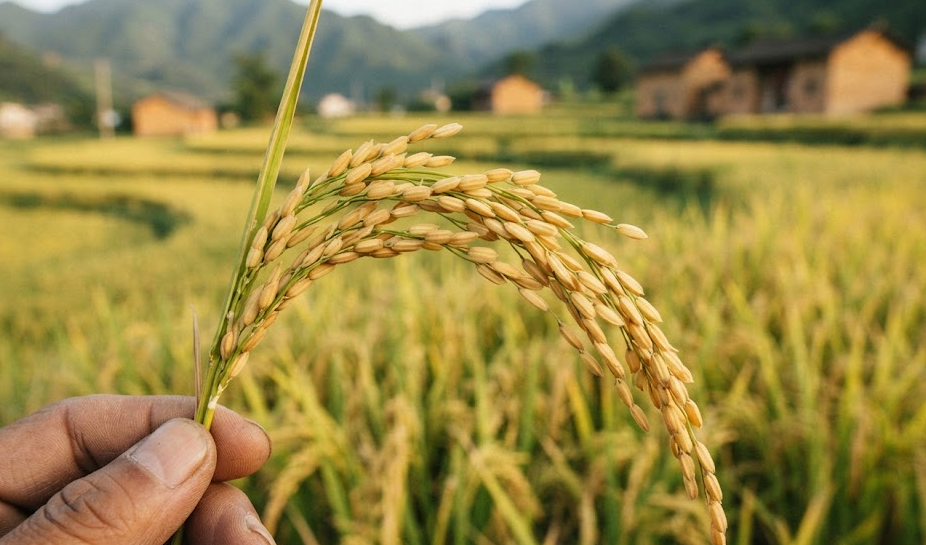
Rice quality is not always the same, even when the rice comes from the same region or supplier. Differences can appear after harvesting, during transportation and storage, or throughout the processing stage. For farmers, grain traders, rice mills, and food manufacturers, having a quick way to understand the condition of rice can make daily operations much easier.
Traditional laboratory testing remains an important part of quality control. However, laboratory analysis usually requires samples to be collected and transported before testing. When a large number of rice samples need to be checked in a short period, this process may not be practical for every batch.
A portable NIR analyzer for rice offers another option. Instead of bringing every sample to a fixed laboratory, the testing equipment can be taken closer to the grain, helping users obtain quality information at the point where it is needed.
Why Rice Quality Needs Regular Checking
Rice goes through several stages before reaching the final consumer. At each stage, its condition can change.
For example, moisture is an important consideration for rice storage and processing. A batch with unsuitable moisture may create difficulties during storage or affect later processing. Other quality indicators can also help buyers and processors decide whether a batch is suitable for a particular purpose.
For grain buyers, checking rice before purchasing can provide useful information when comparing suppliers. Warehouses can use testing to monitor incoming materials, while rice mills can use quality information to support raw material selection and daily production management.
The value of a rice quality analyzer is therefore not limited to the laboratory. It can become part of everyday decisions across the rice supply chain.
Bringing Rice Testing Closer to the Material
One of the main benefits of portable NIR technology is flexibility.
A fixed laboratory works well when samples can be collected and transported without affecting the workflow. But rice is often handled in busy environments such as purchasing centers, warehouses, farms, trucks, and processing facilities.
A portable NIR analyzer for rice quality testing can be used in these locations. IAS-5100, for example, is designed for portable use and can be applied in trading markets, trucks, and fields.
This type of equipment can be particularly helpful during harvest seasons or periods of high purchasing activity. When many batches arrive within a short time, faster testing can help buyers and processors make decisions without waiting for every sample to complete a traditional laboratory process.
Simple Operation for Daily Quality Checks
Another consideration for rice businesses is how easy the analyzer is to operate.
Routine testing is not always performed by laboratory professionals. Buyers, production workers, warehouse staff, or field personnel may also need to check samples. Equipment that requires complicated procedures can make routine testing less convenient.
The IAS-5100 Portable NIR Analyzer features a touchscreen interface and automatic functions designed to simplify operation. Its testing process is intended for practical use in different working environments rather than being limited to a traditional laboratory.
Sample handling is also important. Rice grains are naturally different in size, shape, and condition. If the tested portion does not represent the overall sample, the result may not provide a useful picture of the batch.
The IAS-5100 uses a side-lighting design together with continuous sample blending to help improve the consistency of the measurement. This makes the system suitable for situations where grain samples need to be checked quickly and repeatedly.
Applications Across the Rice Supply Chain
A portable rice analyzer can support quality checks at several points.
Farms and harvesting areas:
Testing can provide farmers and agricultural businesses with additional information about harvested rice before it is transported or sold.
Grain purchasing centers:
Buyers can check different batches and use the results as one reference when evaluating incoming rice.
Transportation and receiving areas:
Portable equipment can be used around trucks and receiving points, allowing checks to take place without moving samples to a distant laboratory.
Rice mills:
Processors can use NIR testing when receiving raw materials and when comparing rice from different suppliers.
Warehouses:
Regular checks can help storage operators better understand the condition of incoming grain and support day-to-day storage management.
Why Use NIR Technology for Rice Testing?
For companies handling large quantities of rice, testing speed and convenience can be just as important as the test itself.
NIR technology provides a fast and non-destructive approach to quality testing. It does not require the same type of reagent-based process used in many traditional laboratory methods, making it attractive for businesses that need to check a large number of samples regularly.
However, choosing the right portable NIR analyzer for rice still requires attention to the application. Testing models should be suitable for the materials being measured, while sample collection and handling should represent the actual batch as closely as possible.
In other words, good equipment and good testing practices need to work together.
Why Consider IAS for Rice Quality Testing?
IAS develops NIR analysis solutions for a range of industries, including grain and oil processing, agriculture, feed, tobacco, chemicals, and other applications.
Its product range includes portable and laboratory NIR analyzers designed for different testing environments. For rice businesses that need testing outside a conventional laboratory, the IAS-5100 provides a practical option.
Its portable design, touchscreen operation, automatic functions, and sample handling approach are designed around the needs of fast, routine testing. For grain buyers, rice mills, agricultural businesses, and other users, this can make quality checking more convenient at different stages of the supply chain.
Final Thoughts
Rice quality management is no longer limited to the laboratory. As grain moves from farms to purchasing centers, warehouses, transportation, and rice mills, there are more opportunities to use fast testing to support better decisions.
A portable NIR analyzer for rice quality testing can bring useful testing closer to the material and reduce the need to move every sample to a fixed laboratory.
For businesses looking to improve the efficiency of rice inspection, the combination of portable testing, suitable testing models, and proper sample handling can provide a practical way to manage grain quality from harvest to processing.
https://www.ias-glb.com/industry-news/fast-and-accurate-rice-quality-testing.shtml