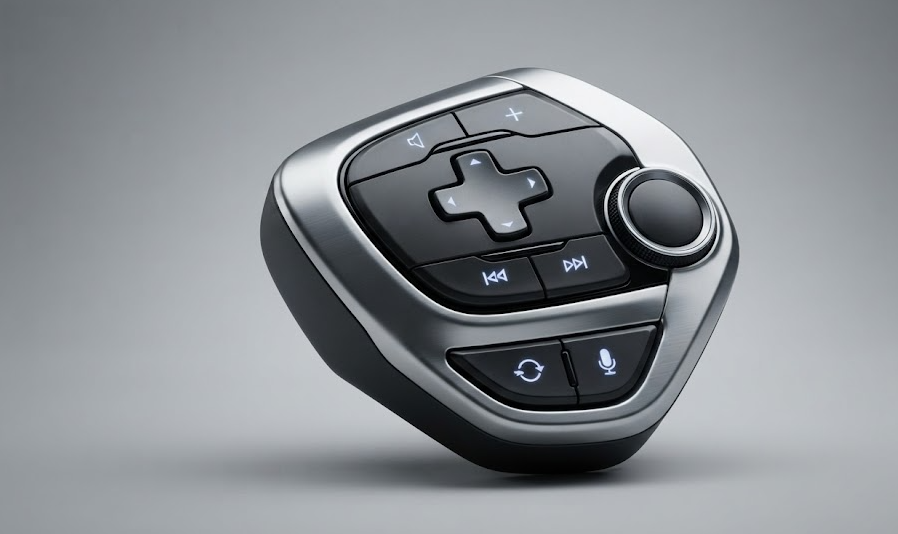
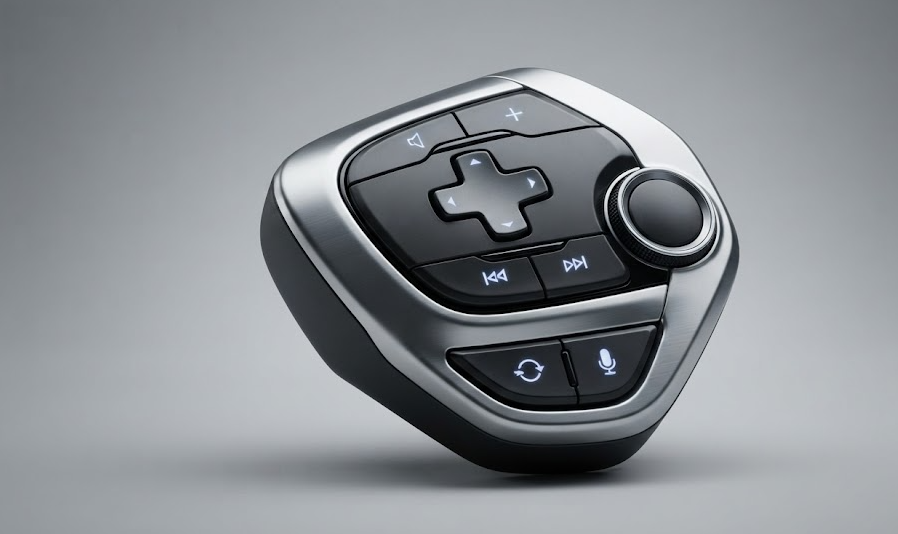
Modern vehicles are becoming more than just transportation tools. With navigation, entertainment, communication, vehicle information, and other digital functions now integrated into the cockpit, drivers have more controls to manage than ever before.
The challenge is to make these functions easy to use without creating additional distraction. This is where the multimedia steering controller has become an increasingly important automotive component. By moving frequently used controls directly onto the steering wheel, drivers can operate key functions without constantly reaching toward the center console or looking away from the road.
For automotive manufacturers, fleet operators, and aftermarket solution providers, the combination of hardware reliability, communication technology, and software flexibility is becoming an important part of cockpit design.
DongqixingTechnology develops automotive electronic control solutions for different vehicle applications, including steering wheel control systems.
multimedia steering controller
How Steering Wheel Controls Are Changing the Cockpit
Traditional vehicle interiors often rely on dashboard buttons, knobs, and touchscreen menus. While these systems can provide many functions, drivers may need to move their hands or look toward the display when making adjustments.
A multimedia steering controller provides another approach. Frequently used functions can be placed within easy reach of the driver's thumbs.
Depending on the vehicle configuration, the controller can be used for functions such as:
- Audio volume adjustment
- Track selection
- Phone call control
- Navigation-related commands
- Voice assistant activation
- Instrument cluster menu operation
- Other customized vehicle functions
This arrangement can make common operations easier and reduce the need for unnecessary hand movement while driving.
Why Tactile Controls Still Matter
Touchscreens have become common in modern vehicles, but physical controls still have an important advantage: tactile feedback.
A physical button or controller allows the driver to recognize an input through touch. With the right layout, drivers can operate frequently used functions with less visual attention.
This is especially useful for steering wheel controls because drivers already need to keep their hands in the steering area. Buttons and switches can be positioned according to how the driver's hands naturally move.
For automotive designers, the goal is not simply to add more buttons. The control layout should make frequently used functions easy to identify and operate while avoiding unnecessary complexity.
CAN-Bus and Vehicle System Integration
A steering controller needs to communicate with other electronic systems inside the vehicle. This makes communication compatibility an important part of product development.
Many automotive control systems use CAN-Bus communication to exchange information with vehicle electronic modules. A properly designed controller can send commands to the appropriate system for functions such as audio control, telephone operation, or instrument display settings.
For manufacturers, compatibility with the vehicle's electronic architecture needs to be considered during the design stage. The controller, head unit, vehicle network, and software should work together rather than being treated as completely separate components.
Why Wireless Steering Controllers Are Gaining Attention
Wireless control can provide additional flexibility for certain vehicle designs and retrofit applications.
A wireless multimedia steering controller can communicate with the vehicle system without requiring the same physical wiring arrangement as a traditional wired control interface. This can make installation and product integration more flexible in some applications.
Wireless systems need to balance several factors, including:
- Connection stability
- Power consumption
- Communication range
- Data security
- Response time
- Battery life
Bluetooth Low Energy (BLE) and RF-based communication can be used depending on the product design and application requirements.
For aftermarket and fleet applications, wireless architecture can also provide additional installation possibilities when modifying an existing vehicle interior.
What Makes a Smart Multimedia Steering Controller Different?
A modern smart multimedia steering controller is not limited to simple on/off commands.
With suitable firmware, buttons can be assigned to different functions or programmed for specific vehicle applications. For example, a single control may support different actions depending on how it is pressed or configured.
Programmable controls can potentially be used for:
- Voice assistant shortcuts
- Camera activation
- Navigation functions
- Media control
- Customized vehicle functions
- Instrument cluster operations
This flexibility is particularly useful for manufacturers producing different vehicle models or configurations. Instead of developing a completely different control system for every application, a programmable platform can provide a foundation for customization.
Durability Is Important in Automotive Applications
Automotive electronic components operate in conditions that are very different from normal consumer electronics.
A steering wheel controller may be exposed to high temperatures inside a parked vehicle, cold outdoor conditions, vibration, repeated button operation, and long-term daily use.
For this reason, material selection and component quality are important. Housing materials, switches, electronic components, connectors, and internal control circuits all need to be considered according to the intended application.
DongqixingTechnology focuses on automotive electronic control products and applies quality-control processes to its steering control solutions. Its products are designed with long-term vehicle use in mind, including repeated operation and changing environmental conditions.
Electromagnetic Interference and Signal Reliability
As modern vehicles contain an increasing number of electronic systems, signal interference is another issue manufacturers need to consider.
A steering controller communicates with other electronic components, so unstable signals or electromagnetic interference can lead to delayed or incorrect commands.
Good circuit design, appropriate components, communication protocols, and software processing can all contribute to stable signal transmission.
For an automotive multimedia steering controller, reliable communication is particularly important because the controller may be responsible for several frequently used vehicle functions.
Applications for OEM and Aftermarket Vehicles
The use of multifunction steering controls is not limited to one type of vehicle.
OEM passenger vehicles can integrate steering controls into the original cockpit design, with button layouts and functions customized according to the vehicle brand and interior.
Commercial fleets and aftermarket operators may also use steering controllers when upgrading existing vehicles with new infotainment or communication systems.
Customization can include button arrangement, functions, appearance, illumination, communication method, and compatibility with different head units.
This gives manufacturers and solution providers more flexibility when developing control systems for different vehicle platforms.
Why Choose an Experienced Automotive Controller Supplier?
For automotive manufacturers and system integrators, choosing a steering controller supplier involves more than checking the number of buttons or the appearance of the product.
Important considerations include:
- Vehicle communication compatibility
- Hardware reliability
- Wireless stability where applicable
- Button durability
- Software and firmware flexibility
- Custom control layouts
- Electromagnetic compatibility
- OEM and aftermarket support
An experienced supplier can help customers determine how the controller should communicate with the vehicle system and how its functions should be configured.
DongqixingTechnology's product range focuses on automotive control solutions designed for different vehicle applications and integration requirements.
Conclusion
As vehicles continue to add more digital functions, controlling those functions in a simple and safe way becomes increasingly important. A well-designed multimedia steering controller can bring frequently used functions closer to the driver while helping create a cleaner and more convenient cockpit.
Tactile controls, CAN-Bus integration, wireless communication, programmable functions, and durable construction all contribute to the performance of a modern steering control system.
For vehicle manufacturers, fleet operators, and aftermarket developers, the right controller should not only look suitable for the interior. It should also communicate reliably with the vehicle system, withstand long-term use, and provide enough flexibility for different applications.
With experience in automotive electronic control solutions, DongqixingTechnology provides multimedia steering controllers and related products for manufacturers and vehicle solution providers looking to improve driver interaction and cockpit control.