When an HPLC test produces an unexpected peak or an unstable baseline, the syringe is probably not the first thing most laboratory technicians think about.
Usually, attention goes straight to the HPLC column, mobile phase, detector, flow rate, or instrument settings. These factors are certainly important, but sample preparation can also introduce problems before the sample ever reaches the instrument.
One detail worth checking is the type of syringe used for liquid transfer. Traditional disposable syringes often contain a rubber or silicone-coated stopper. For general-purpose applications, this design is practical and widely used. However, analytical laboratories may need to be more careful about the materials that come into contact with their samples.
This is where an HPLC Laboratory Syringe No Rubber can provide an alternative for sensitive laboratory workflows.
A Small Syringe Can Create a Bigger Analytical Problem
HPLC and UHPLC methods are designed to detect and measure chemical compounds with high sensitivity. As a result, small amounts of unwanted material can sometimes become noticeable in the final chromatogram.
During sample preparation, syringes may be exposed to solvents such as methanol, acetonitrile, THF, acids, bases, and other laboratory chemicals. Depending on the syringe construction and material, components from a conventional rubber stopper may potentially interact with these liquids.
The result may be an unexpected background signal or additional chromatographic peaks.
This does not mean that every rubber syringe will cause a problem. Rather, it means that the syringe material should be considered when an analytical procedure requires a high level of cleanliness.
Sample adsorption is another point to consider. Certain compounds may interact with the surface of rubber materials. If part of the sample remains on the stopper, the amount that finally reaches the HPLC system may be different from the original sample concentration.
For trace analysis, pharmaceutical testing, and other sensitive applications, even a small difference can be worth investigating.
Moving Away From the Traditional 3-Piece Structure
One way to reduce the number of materials involved in sample contact is to use a 2-piece syringe without a conventional rubber stopper.
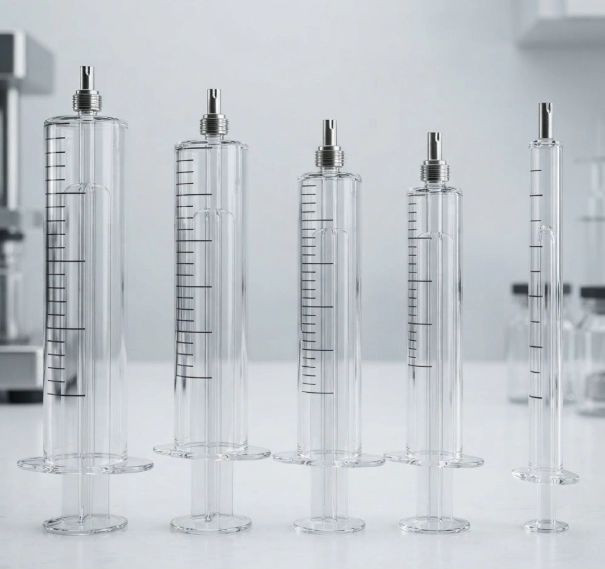
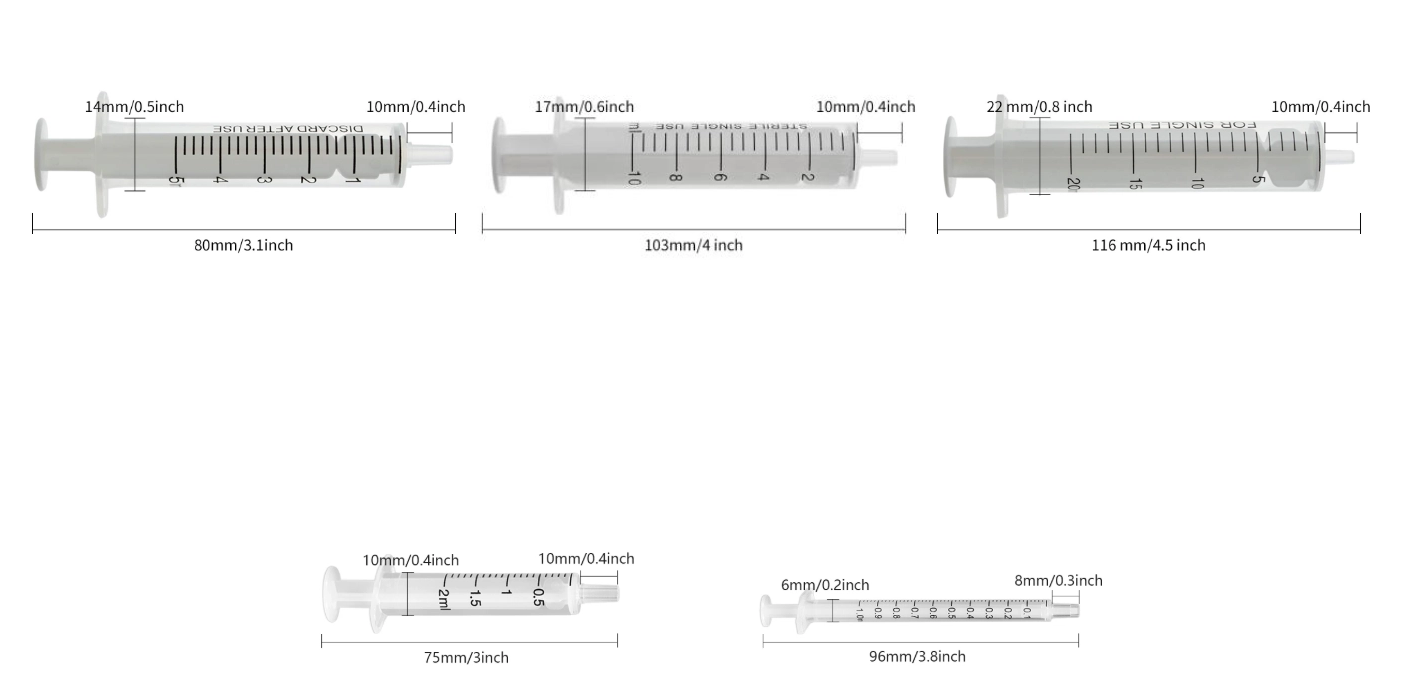
The 1ml-20ml 2-Piece No Rubber Stopper Syringe Suitable for Experimental Sample handling uses a simpler structure. Instead of a separate rubber stopper, it combines the syringe barrel with a polymer plunger designed to fit closely inside the barrel.
The idea is straightforward: fewer components can mean fewer potential sources of unwanted material during liquid handling.
A rubber-free design can offer several practical advantages:
● Less Concern About Rubber-Related Extractables
Removing the conventional rubber stopper helps reduce concerns about substances associated with elastomeric materials entering the sample.
● Cleaner Contact With the Sample
The syringe uses polymer-based components rather than relying on a traditional rubber stopper, which can be useful when sample purity is an important consideration.
● Consistent Plunger Movement
A properly manufactured plunger should move smoothly inside the barrel, making it easier to draw and dispense liquids during repetitive laboratory work.
● Flexible Laboratory Use
Depending on the material selected, the syringe can be used with a variety of laboratory liquids. Chemical compatibility should always be checked before use.
When Should a Laboratory Consider a No-Rubber Syringe?
There is no need to replace every syringe in every laboratory. The decision should be based on the actual testing requirements.
A rubber-free syringe may be particularly worth considering when:
- The sample concentration is very low.
- The analytical method is sensitive to background contamination.
- Organic solvents are frequently used.
- Pharmaceutical or chemical samples are being analyzed.
- Unexpected peaks are appearing during HPLC testing.
- Sample recovery needs to be kept consistent.
- The laboratory wants to reduce variables during sample preparation.
For routine applications, a standard syringe may still be sufficient. But when unexplained analytical variation occurs, reviewing the consumables used during sample preparation can be a sensible troubleshooting step.
Choosing the Right Size for Different Tasks
Another practical consideration is syringe capacity. Contriu offers rubber-free syringe options from 1ml to 20ml, covering different laboratory liquid-handling requirements.
1ml–3ml:
These smaller sizes are suitable for low-volume procedures such as preparing standards, adding reagents, conducting spike recovery tests, and handling small samples before filtration.
5ml–10ml:
Medium-volume syringes can be used for sample dilution, solvent transfer, routine extraction, and other common laboratory preparation tasks.
20ml:
For larger liquid volumes, a 20ml syringe provides additional capacity and can be useful for solvent transfer, cartridge priming, and larger sample extraction procedures.
Choosing the capacity based on the actual working volume can make sample preparation easier and reduce unnecessary liquid remaining in the syringe.
What About Chemical Compatibility?
A no-rubber design does not mean that a syringe is automatically suitable for every solvent or chemical.
Laboratories should still check the material of the syringe and compare it with the chemicals used in their specific procedure. Factors such as solvent type, concentration, contact time, and temperature can all affect material compatibility.
This is especially important when working with strong solvents or unusual chemical mixtures.
The goal is not simply to choose a syringe labeled “rubber-free,” but to select a syringe whose construction and materials are appropriate for the actual application.
Contriu 2-Piece Rubber-Free Syringes
For laboratories looking to reduce the use of conventional rubber components during sample preparation, Contriu provides 2-piece rubber-free syringe solutions.
The product range covers 1ml, 3ml, 5ml, 10ml, and 20ml applications, giving users different options depending on their liquid-handling requirements.
The simplified 2-piece structure makes these syringes suitable for a variety of experimental and analytical procedures, including sample preparation, dilution, solvent handling, extraction, and filtration-related work.
For pharmaceutical, environmental, food, chemical, and research laboratories, selecting the right consumables can help create a more consistent sample preparation process.
A Simple Point to Remember
When an HPLC result looks unusual, it is easy to assume that the problem must be inside the instrument. Sometimes, however, the source of the problem may be much earlier in the workflow.
The syringe is one of the first items that comes into contact with the sample. Its material and construction therefore deserve attention, especially when working with sensitive compounds or demanding analytical methods.
A HPLC Laboratory Syringe No Rubber can be a practical alternative to conventional rubber-stopper syringes. By reducing the number of materials that come into contact with the sample, it can help laboratories minimize potential sources of contamination and improve consistency during sample preparation.
For laboratories that need different capacities, the 1ml-20ml 2-Piece No Rubber Stopper Syringe provides a range of options for both small- and larger-volume laboratory work. Ultimately, the best syringe is the one that matches the chemical, volume, and analytical requirements of the specific procedure.
https://www.contriu.com/industry/how-no-rubber-hplc-syringes-improve-laboratory-sample-handling.html