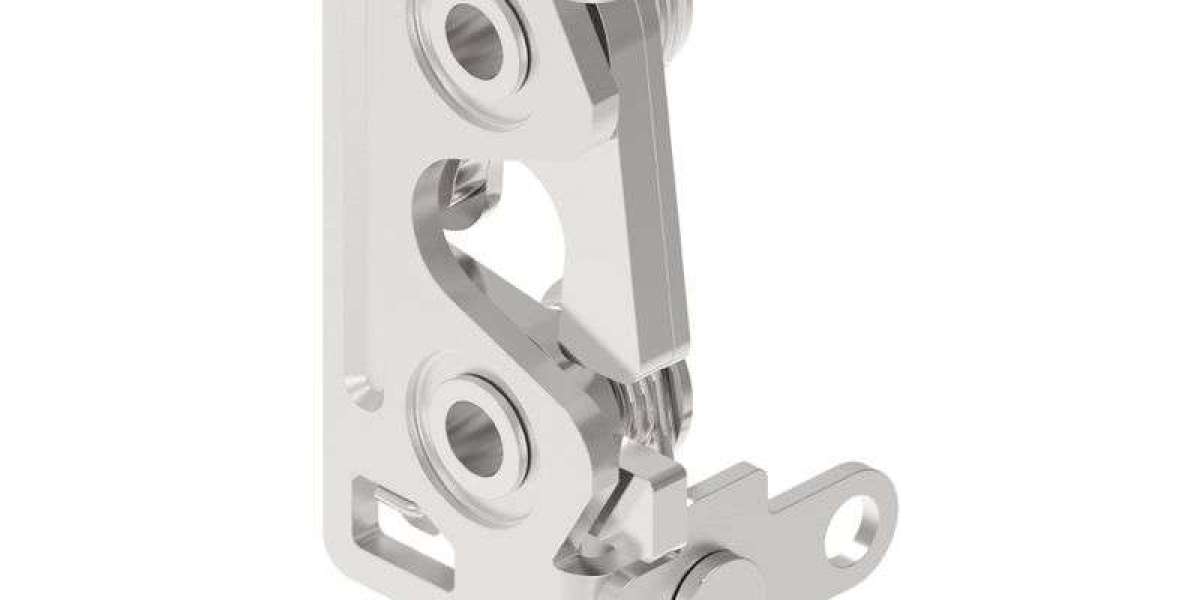
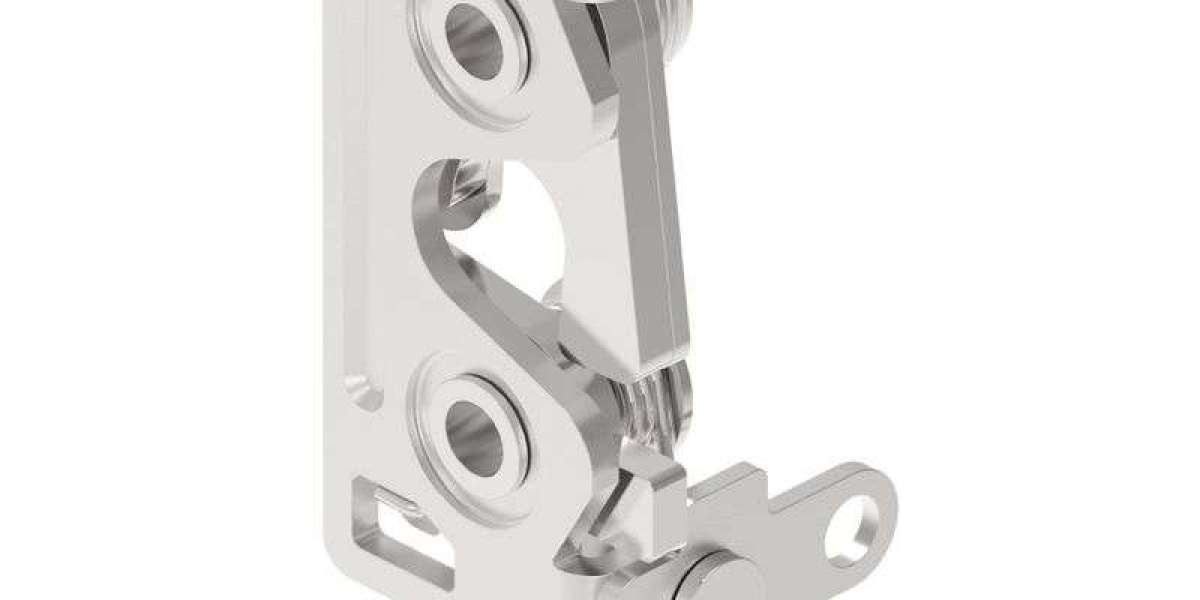
Compression latches may look like simple pieces of hardware, but their role is much more important than their size suggests. They are designed to pull two surfaces tightly together while maintaining controlled pressure on a gasket, seal, panel, or door. Unlike an ordinary latch that simply keeps a door closed, a compression latch creates a firm clamping force. This makes it especially useful in applications where vibration, moisture, dust, noise, or air leakage must be controlled.To get more news about Compression Latches, you can visit forndlock.com official website.
From industrial electrical cabinets to recreational vehicles, compression latches are widely used because they combine security, convenience, and sealing performance. In my view, their greatest advantage is not just their holding strength. It is the way they create a more consistent connection between the door and the frame, even when the equipment is exposed to movement or changing environmental conditions.
How Compression Latches Work
A compression latch usually includes a handle, shaft, cam, housing, and adjustable closing mechanism. When the handle is turned or pushed into the locked position, the cam rotates behind the frame. The mechanism then pulls the door inward, compressing the gasket between the two surfaces.
This controlled compression helps reduce rattling and prevents the door from loosening during transportation or machine operation. Many models allow the user to adjust the amount of compression, which is particularly valuable when gasket thickness or panel dimensions vary.
The operating styles also differ. Common options include lift-and-turn latches, trigger latches, T-handle designs, flush-mounted models, and quarter-turn compression latches. Some can be operated by hand, while others require a key, tool, or special insert for added access control.
Key Product Features
One of the most useful features of a compression latch is its adjustable grip range. This allows installers to fine-tune the latch so that it applies enough pressure without damaging the gasket or bending the panel. A properly adjusted latch should close firmly but should not require excessive force.
Material selection is another important factor. Zinc-plated steel models are economical and suitable for many indoor applications. Stainless steel compression latches provide better resistance to corrosion and are often preferred for outdoor equipment, marine environments, food-processing machinery, and washdown areas. Engineering plastics can be a good choice when low weight, electrical insulation, or chemical resistance is required.
Many compression latches are available with locking cylinders. These models are useful for toolboxes, storage compartments, service vehicles, utility cabinets, and outdoor enclosures. Flush designs offer a cleaner appearance and reduce the risk of catching clothing, cables, or nearby objects.
Testing and Practical Performance
During a practical evaluation, the first thing I notice is how evenly the latch pulls the panel against the frame. A good compression latch should not create pressure in only one small area. Instead, it should help the gasket form a continuous seal around the opening.
Operating feel is also important. Well-made latches usually have smooth movement with a clear closing point. Cheap models may feel rough, loose, or inconsistent. In some cases, the handle may develop play after repeated use, which can reduce compression and lead to unwanted vibration.
In vibration-prone equipment, compression latches generally perform better than basic cam latches. They hold the panel more tightly and reduce the clicking or rattling sounds that often appear when machinery or vehicles are moving. However, performance depends heavily on correct installation. Even a premium latch will not work properly if the mounting hole is inaccurate, the cam is the wrong length, or the gasket is too thick.
Another advantage is improved weather protection. When combined with a suitable gasket and properly designed enclosure, compression latches can help prevent water and dust from entering. Buyers should remember that the latch alone does not determine the enclosure’s protection rating. The panel design, gasket material, hinges, and installation quality are equally important.
Who Should Use Compression Latches?
Compression latches are suitable for manufacturers of industrial cabinets, HVAC equipment, generators, construction machinery, telecommunications enclosures, and electrical control panels. They are also practical for truck bodies, emergency vehicles, trailers, boats, caravans, and recreational vehicles.
Maintenance professionals may use them when upgrading old cabinet doors that vibrate or fail to seal correctly. Custom equipment builders can benefit from adjustable models because they make it easier to handle small production variations. Marine users should focus on corrosion-resistant stainless steel versions, while indoor cabinet manufacturers may prefer cost-effective steel or plastic options.
Buying Advice
Before purchasing, measure the panel thickness, frame depth, gasket thickness, mounting hole size, and required grip range. Do not choose a latch based only on appearance. The cam length and compression distance must match the actual enclosure structure.
Consider the operating environment carefully. Outdoor, marine, or chemical applications usually require stainless steel or specially coated materials. For public or restricted areas, choose a keyed or tool-operated design. For frequently accessed compartments, a hand-operated handle may be more convenient.
Buyers should also check cycle-life data, load capacity, temperature resistance, and corrosion-test results when available. For larger orders, testing several samples on the real enclosure is a sensible step. This can reveal installation problems before full production begins.
Final Assessment
Compression latches are a reliable upgrade for applications that need more than simple door closure. They provide controlled clamping, reduce vibration, improve sealing, and create a more professional operating experience. Their performance is especially noticeable on moving vehicles, outdoor equipment, and machinery with sensitive internal components.
The best compression latch is not necessarily the most expensive one. It is the model that matches the panel dimensions, gasket requirements, access needs, and environmental conditions. With accurate measurements and proper installation, a high-quality compression latch can deliver years of dependable service while protecting both the enclosure and the equipment inside.