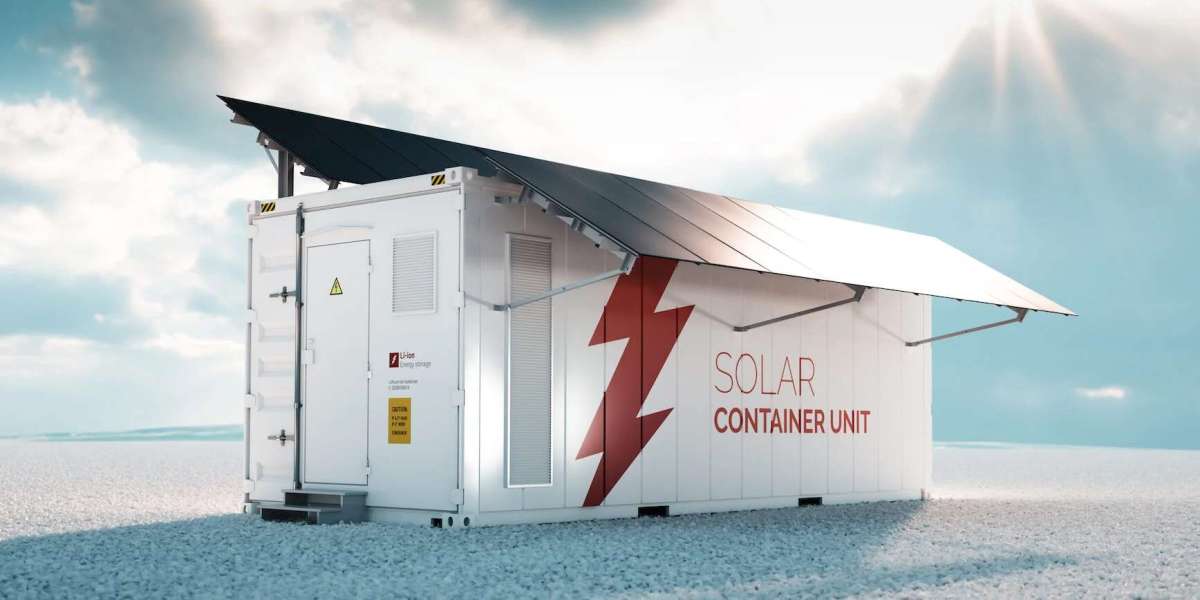
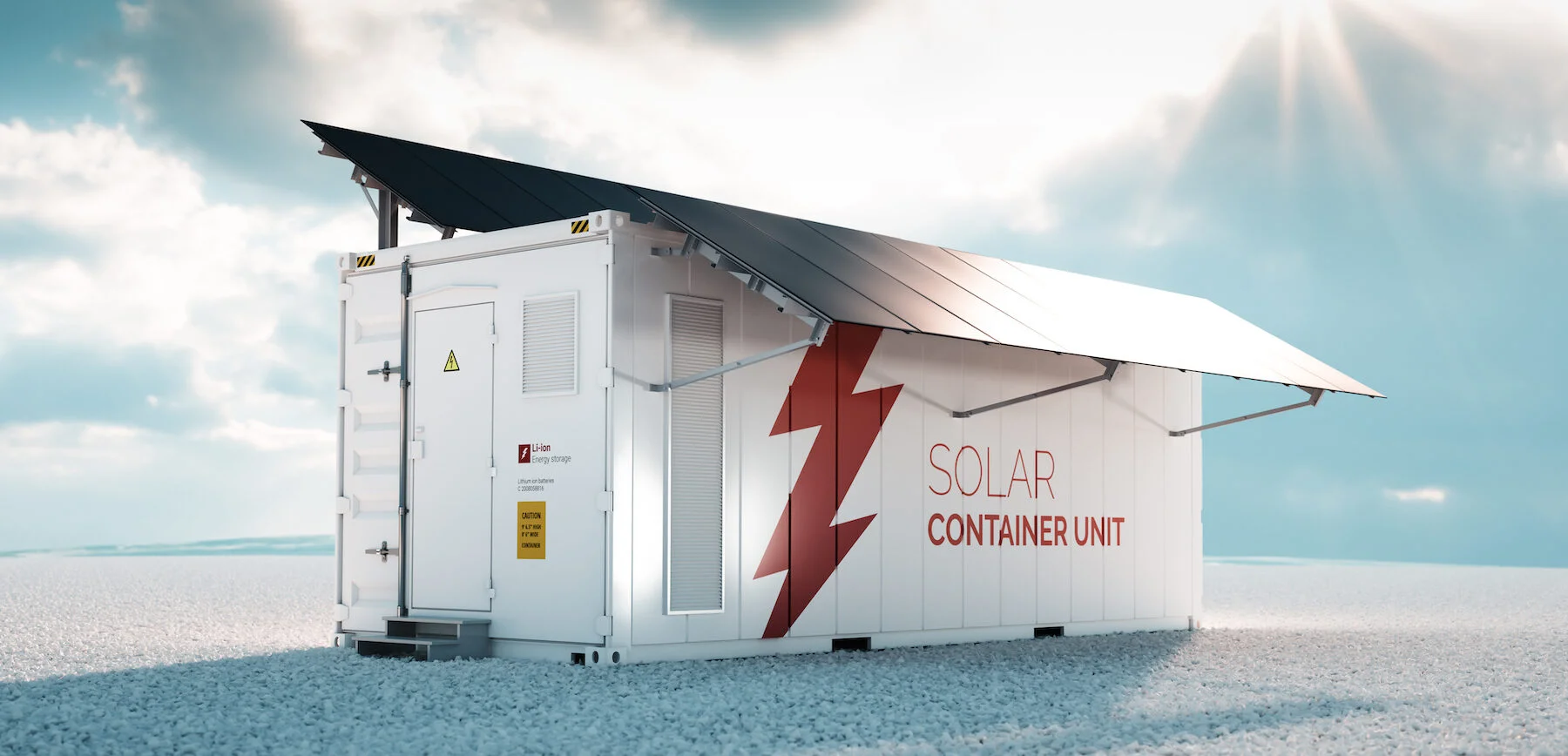
Containerized generators are increasingly popular for various applications, from construction sites to remote locations requiring reliable power supply. Choosing the right containerized generator can be a daunting task, given the multitude of options available in the market.
1. Determine Your Power Requirements
Before selecting a containerized generator, it is crucial to assess your power needs. Calculate the total wattage required for all the equipment you plan to run simultaneously. Consider both starting and running wattages, as some devices require more power to start than to operate.
Assess Peak and Continuous Load
Identify the peak load (the maximum power needed at any given time) and the continuous load (the average power needed over time). This will help you choose a generator with the appropriate capacity, ensuring it can handle your demands without overloading.
2. Consider Fuel Type
Containerized generators can run on various fuel types, including diesel, natural gas, and propane. Each fuel type has its pros and cons:
Diesel Generators
Diesel generators are known for their durability and efficiency. They are often preferred for heavy-duty applications and can run for extended periods without refueling. However, they may have higher emissions and noise levels.
Natural Gas Generators
Natural gas generators are cleaner and quieter than diesel options. They are ideal for applications where emissions are a concern. However, they may require a continuous supply of gas, which can be a limitation in remote locations.
Propane Generators
Propane generators offer flexibility and can be a good choice for intermittent use. They are cleaner than diesel but may have a shorter runtime compared to diesel generators.
3. Evaluate Noise Levels
Noise can be a significant concern, especially in residential areas or quiet environments. Containerized generators come with varying noise levels, typically measured in decibels (dB).
Sound Attenuation
Look for generators with sound attenuation features, such as acoustic enclosures, which can significantly reduce noise output. This is particularly important if the generator will be used in populated areas or during nighttime.
4. Assess Mobility and Size
The size and mobility of the containerized generator are essential factors to consider, especially if you need to transport it frequently.
Dimensions and Weight
Ensure that the generator fits within the space you have available. Consider the weight, as heavier generators may require specialized transport equipment.
Trailer Options
Some containerized generators come with trailers, making them easier to move from one location to another. If mobility is a priority, look for models designed for easy transport.
5. Review Environmental Considerations
Environmental regulations can impact your choice of generator. Different regions have specific emissions standards that generators must meet.
Compliance with Regulations
Ensure that the generator you choose complies with local environmental regulations. This is particularly important for diesel generators, which may have stricter emissions standards.
Eco-Friendly Options
Consider generators that offer eco-friendly features, such as low emissions and fuel-efficient designs. These options can help reduce your environmental footprint.
6. Analyze Maintenance and Support
Regular maintenance is crucial for the longevity and reliability of your generator.
Maintenance Requirements
Review the maintenance schedule and requirements for the generator you are considering. Some models may require more frequent servicing than others.
Warranty and Support
Check the warranty offered by the manufacturer and the availability of customer support. A good warranty can provide peace of mind, while responsive customer support can assist you in case of any issues.
7. Budget Considerations
Your budget will play a significant role in your decision-making process. Containerized generators come in a wide range of prices, influenced by factors such as power output, fuel type, and additional features.
Initial Costs vs. Long-Term Savings
While it may be tempting to choose the cheapest option, consider the long-term costs associated with fuel consumption, maintenance, and potential repairs. Investing in a higher-quality generator may save you money in the long run.
Financing Options
Explore financing options if the upfront cost is a concern. Many manufacturers and dealers offer financing plans that can make purchasing a generator more manageable.
8. Seek Expert Advice
If you are unsure about which generator to choose, consider consulting with experts in the field. They can provide valuable insights based on your specific needs and help you navigate the various options available.
Professional Consultation
Engaging with a professional can help you understand the technical specifications and operational requirements of different generators. They can also assist in assessing your site conditions and power needs.
User Reviews and Testimonials
Research user reviews and testimonials to gain insights into the performance and reliability of different models. Real-world experiences can provide valuable information that may not be available in product specifications.
Conclusion
Choosing the right containerized generator involves careful consideration of various factors, including power requirements, fuel type, noise levels, mobility, environmental regulations, maintenance, budget, and expert advice. By taking the time to evaluate these key considerations, you can select a generator that meets your needs and provides reliable power for your applications.
https://www.sz-swtpower.com/how-to-choose-a-suitable-containerized-generator-key-considerations.html