Today's textile market is changing quickly. When choosing clothing or home textile products, consumers are paying attention to more than color, design, and price. Softness, breathability, moisture absorption, comfort, and the materials used to make a fabric can all influence purchasing decisions.
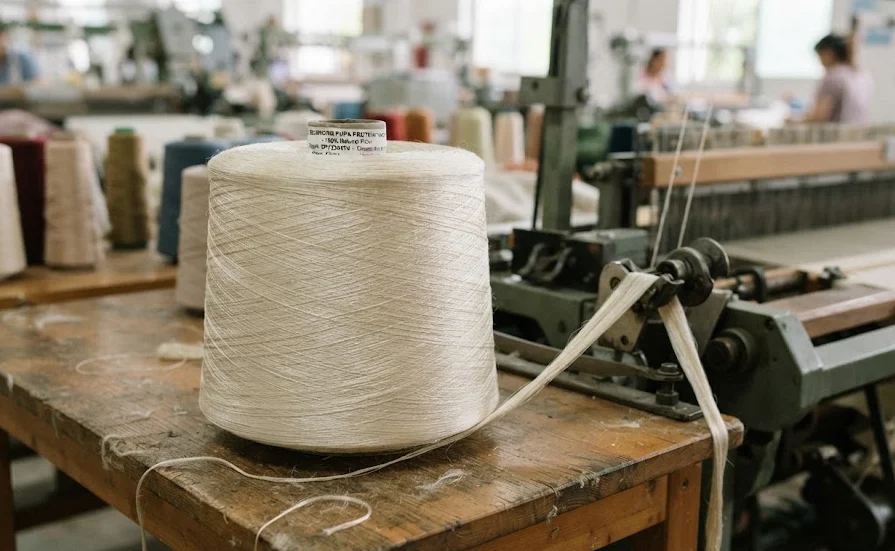
This growing demand has encouraged textile manufacturers to explore more specialized materials. Silkworm pupa protein yarn is one option attracting attention. By using protein extracted from silkworm pupae and combining it with a cellulose-based fiber structure, this specialty yarn offers a different approach to developing comfortable and distinctive textile products.
For brands and manufacturers looking for alternatives to conventional yarns, it can provide another material choice for product development.
What Is Silkworm Pupa Protein Yarn?
Silkworm pupae contain protein that can be processed and used in specialty textile materials. According to ASIN, the production process involves extracting protein from silkworm pupae and preparing it into a spinning solution. The protein solution is then combined with a cellulose-based fiber solution under controlled production conditions.
The resulting fiber has a protein-rich outer layer and a cellulose core. This combination allows the yarn to bring together characteristics from both types of materials rather than relying on a single raw material.
ASIN describes its pupa protein yarn as soft, comfortable, breathable, and capable of absorbing moisture. It also has a soft, silk-like appearance and hand feel, making it suitable for textile products where both comfort and visual appeal are important.
Why Are Manufacturers Exploring Pupa Protein Yarn?
The main reason is product differentiation.
Cotton, polyester, viscose, modal, and other common yarns are already widely used throughout the textile industry. They remain important materials, but brands that want to create something different may need specialty yarns with distinctive material characteristics.
Silkworm pupa protein yarn for textiles combines an animal-derived protein component with a cellulose-based fiber. This gives manufacturers another option when developing products with a different material concept and consumer appeal.
Its soft hand feel and moisture absorption can also make it suitable for clothing and other products that are worn close to the skin.
Applications in Apparel and Home Textiles
Apparel is one of the key application areas for this type of specialty yarn.
Depending on the yarn blend and fabric design, it can be considered for T-shirts, underwear, pajamas, socks, baby clothing, towels, and other everyday textile products. ASIN also lists bedclothes among its potential applications.
For textile brands, using a specialty yarn can provide an opportunity to create a different product story while maintaining the flexibility of blended fiber construction.
For example, pupa protein/cotton yarn can combine pupa protein fiber with cotton, while other blends can be selected when manufacturers have different requirements for fabric feel and performance.
A Choice for Skin-Contact Products
Underwear, pajamas, baby clothing, and other close-to-skin products require materials that provide a pleasant wearing experience.
This is another area where pupa protein yarn may be considered. ASIN states that its pupa protein fiber contains 18 amino acids and is designed with skin-friendly characteristics.
For manufacturers, however, it is important to focus on the actual textile properties when developing products. The practical advantages of the yarn include its softness, moisture absorption, appearance, and suitability for textile production rather than making unsupported medical or skincare claims.
These characteristics can be useful for brands developing comfortable everyday clothing and higher-value textile products.
Different Yarn Blends for Different Products
Pupa protein yarn is not limited to a single composition. Different fiber combinations allow manufacturers to select a material according to their fabric design and product requirements.
ASIN provides several options, including:
- Silkworm pupa protein / cotton yarn
- Silkworm pupa protein / modal yarn
- Silkworm pupa protein / Tencel yarn
The available yarn counts include 8s, 16s, 20s, 24s, 30s, 40s, 50s, and 60s.
This range gives textile manufacturers more flexibility when developing different types of fabrics and finished products. The appropriate yarn can be selected according to the desired hand feel, fabric construction, product positioning, and manufacturing process.
Why Work with ASIN?
Wuxi Asin Tex Co., Ltd. has been involved in green, eco-friendly, differentiated, and functional yarn development since 1991. The company reports a production capacity of 200,000 spindles and annual yarn production of more than 25,000 tons.
ASIN has certifications including ISO9001 and ISO14001, along with organic cotton CUC certification. Its product portfolio covers plant-based yarns, animal-based yarns, specialty yarns, and hand-weaving yarns.
In addition to silkworm pupa protein yarn, its product range includes soy protein yarn, milk protein yarn, silk yarn, bamboo yarn, Tencel, modal, and other specialty materials.
For textile buyers, this broader product range can be useful when a project requires different fiber combinations or when a brand is developing several types of textile products.
What Should Buyers Consider?
Before ordering a specialty yarn, manufacturers should look beyond the raw material name. The intended application, yarn count, fiber blend, fabric construction, desired hand feel, and production requirements should all be considered.
It is also useful to request samples before placing a large order. Sample testing allows manufacturers to evaluate the yarn during spinning, knitting, weaving, dyeing, and finishing processes and determine whether it meets the requirements of the final product.
Working directly with a supplier that understands different specialty yarns can also make material selection easier, especially when manufacturers are comparing protein-based yarns with cotton, modal, Tencel, or other fiber options.
Conclusion
As textile brands continue to search for new materials and product ideas, silkworm pupa protein yarn offers an interesting option for specialty textile development. Its combination of pupa-derived protein and cellulose-based fiber provides a different material structure, while its soft feel, moisture absorption, breathability, and silk-like appearance can support a variety of clothing and home textile applications.
With different blends such as pupa protein/cotton, pupa protein/modal, and pupa protein/Tencel, manufacturers have flexibility when developing new products.
For companies looking to expand their specialty yarn portfolio, ASIN provides silkworm pupa protein yarn along with a wider selection of plant-based, animal-based, and functional yarn products, giving buyers more options for different textile development projects.
https://www.asinyarn.com/silkworm-pupa-protein-yarn-benefits-applications-and-textile-uses.html